China Best Sock Making Machine Suppliers for Buyers?

Time:2026-09-24 Author:Ethan
0%

Choosing among China’s best sock-making machine suppliers takes more than comparing prices. Buyers should examine machine specifications, sample quality, service coverage, and spare-parts availability. A polished factory tour is useful, but it cannot replace a clear trial plan.

A Machine For Socks purchase should match the product, production volume, and operator experience. Ask suppliers to demonstrate the intended knitting process, then inspect the fabric closely. Check stitch consistency, heel and toe shaping, yarn handling, and machine noise during operation. Request written details on installation, training, warranty terms, and response times for technical support. Small details matter. A delayed replacement part can idle a production line.

Supplier claims deserve careful checking. Compare like-for-like specifications, confirm what is included in the quoted price, and request references from buyers producing similar socks. If possible, evaluate a sample run before committing. One limitation remains: no verifiable expert quotation or named specialist was provided for this topic, so attributing a quote would risk misleading readers. The outline can instead assess suppliers through evidence buyers can verify: demonstrations, documentation, service records, and product samples.
China Best Sock Making Machine Suppliers for Buyers?

How Sock Making Machines Work and What Buyers Need

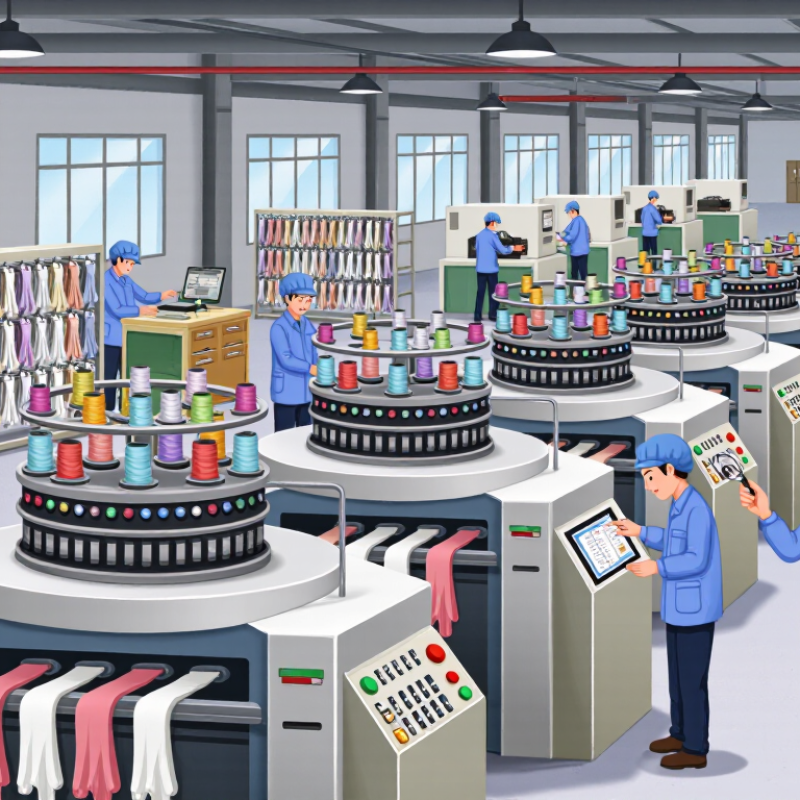
A sock machine forms a tube by feeding yarn through needles mounted in a rotating cylinder. Needle movement creates knitted loops; programmed changes shape the heel, toe, and cuff. A separate toe-closing step may be needed, depending on the machine. Buyers should check gauge, cylinder diameter, needle count, and whether the machine can handle the yarn thickness and sock sizes they plan to produce. Tiny details matter: a smooth toe seam and consistent cuff tension affect comfort and returns.

ITMF’s International Textile Machinery Shipment Statistics 2023 tracks shipments of circular knitting machinery, a useful indicator of ongoing investment in knitting capacity. Shipment figures do not prove that any particular machine will suit a buyer’s factory. Ask suppliers for a sample knitted from your own yarn, then inspect loop uniformity, toe closure, and size consistency after washing. Compare actual output per shift, changeover time, spare-needle availability, and operator training—not only the advertised maximum speed. A fast machine can still be the wrong purchase. I would also verify service response times in writing; production plans often underestimate downtime, and that is an easy assumption to miss.

Types of Sock Machines Offered by Chinese Suppliers

Chinese suppliers offer several sock machine types, and the right choice depends on the product, yarn, and expected output. Single-cylinder machines are common for everyday socks, including basic athletic styles. They can produce ribbed cuffs and varied stitch patterns, depending on configuration. Double-cylinder machines support more complex heel and toe structures, as well as certain ribbed designs. Ask suppliers to demonstrate the exact construction you need; a machine’s category alone does not confirm its capabilities.

Specialized options include terry machines, which knit cushioned loops into the sole, and computerized models that create patterns or logos through programmed stitch changes. Some machines support multiple yarn feeds or automatic toe closing, but features vary. Check the needle count, cylinder diameter, gauge, and compatible yarn range against your sample specifications. Small details matter. A cuff that stretches poorly can make an otherwise neat sock feel unfinished. Request a trial run with your own yarn, then inspect the heel, toe, seams, and fabric density. I would not rely on a catalogue photo alone. It is easy to overlook setup time, and supplier explanations may not match production-floor results exactly.

China Best Sock Making Machine Suppliers for Buyers? — Types of Sock Machines Offered by Chinese Suppliers
Machine Type Main Function Typical Products Common Features Buyer Considerations
Single-Cylinder Sock Knitting Machine Knits sock fabric on a single needle cylinder. Casual socks, athletic socks, dress socks, and many basic sock styles. Available in different cylinder diameters, needle counts, and gauges; electronic models can support programmed patterns. Check the intended sock size range, yarn compatibility, gauge, pattern capability, and required production speed.
Double-Cylinder Sock Knitting Machine Uses two needle cylinders to knit structures that require needles working on both sides. Ribbed socks and selected structured or reversible designs. Configuration and achievable fabric structures depend on the machine model and knitting setup. Confirm that the machine supports the specific rib or fabric construction required for the product line.
Computerized Jacquard Sock Machine Controls needle selection electronically to produce programmed patterns. Logo, color-pattern, and fashion socks. Pattern capacity and color arrangements vary by model; compatible design software and control systems may be required. Ask for sample knitting, supported file formats, pattern limits, and operator training details.
Terry Sock Knitting Machine Knits looped pile fabric on the inside of the sock for added cushioning. Sports socks, work socks, and other cushioned styles. May be configured for terry sections or broader terry coverage, depending on machine design. Verify terry placement options, yarn requirements, and whether the machine can also produce non-terry styles.
Toe-Closing or Toe-Linking Machine Closes the open toe of a knitted sock. Socks produced on knitting machines that leave the toe open for a separate closing operation. Different systems use different joining methods and may require specific sock preparation. Check seam appearance, compatible sock sizes, operating method, and whether the process is manual or automated.
Sock Boarding Machine Shapes and sets finished socks using heat and forms. Knitted socks prepared for finishing and packing. May use steam, heat, or other model-specific settings; available form shapes and capacity vary. Confirm temperature control, form sizes, cycle time, safety features, and suitability for the sock yarns used.
Pairing and Inspection Equipment Helps match socks into pairs and supports inspection or finishing workflows. Finished socks prepared for quality checks and packaging. Options range from simple manual aids to more automated handling equipment. Assess throughput, size flexibility, inspection requirements, and how the equipment integrates with the production line.
Auxiliary Equipment and Production-Line Accessories Supports yarn feeding, handling, finishing, or other production steps. Used alongside sock knitting and finishing machinery. Equipment may include yarn feeders, compressors, spare cylinders, and other model-specific accessories. Request a complete configuration list and confirm compatibility with the selected knitting machine.
Specifications and available configurations vary by model. Buyers should confirm product samples, machine specifications, installation requirements, spare-parts availability, and after-sales support directly with the supplier before ordering.

How to Assess and Compare Chinese Sock Machine Suppliers

How to Assess and Compare Chinese Sock Machine Suppliers

A supplier comparison should begin with the fabric, not the brochure. Define the required needles, cylinder diameter, gauge, sock size range, and daily output. Ask each supplier to knit the same sample using your yarn. Inspect toe closure, welt elasticity, stitch consistency, and the inside of the fabric under bright light. Small flaws matter.

Use industry data carefully. ITMF’s International Textile Machinery Shipment Statistics tracks circular knitting machinery, but its published categories do not isolate sock machines. Treat broad shipment figures as market context, not proof that a supplier’s model is reliable. Request verifiable details instead: machine age, tested speed, power use, rejected-sock rate, and service response times. Ask for a recent production video with a visible counter.

Better evidence.

Compare quotations on equal terms. Confirm what is included: software, spare needles, installation, operator training, and warranty coverage. Request two or three customer references with similar production needs, then ask how quickly parts arrived after a breakdown. Check whether technical manuals are clear and available in English. A low purchase price can hide costly delays. I would also ask for the limitations of the machine, not just its strengths; that answer may be imperfect, but it is revealing.

Key Specifications, Customization, and Compliance to Check

When comparing sock-making machine suppliers in China, look beyond the quoted speed. Ask for the needle count, cylinder diameter, supported yarn types, and production rate for your intended sock design. A machine listed at 300 pairs per day may perform differently with thick yarn or frequent color changes. Request a live demonstration using a sample pattern similar to yours.

Customization should fit your products and operators. Check whether the machine supports the required size range, terry sections, reinforcement zones, and color patterns. Ask which parts can be adjusted, how long setup takes, and whether training materials are available in a language your team understands. Small details matter. A confusing control screen can slow production, even when the machine itself is capable. I would also ask for a sample sock and inspect its toe closure, stretch, and stitch consistency. Supplier claims are useful, but they are not the whole picture.

Tips: Put the agreed specifications in writing. Confirm the power supply, installation needs, spare-parts list, warranty scope, and service response times before ordering. Request relevant quality documents and verify that they match the machine model and destination requirements. Keep room for a practical trial; factory samples may not reflect your yarn or working conditions exactly. That uncertainty is worth discussing openly.

Sock Knitting Machine Buyer Guide: Common Cylinder Needle Counts

Cylinder needle count is a key specification to compare when sourcing sock knitting machines. The chart shows common configuration options; availability varies by machine type and supplier. Confirm the suitable count for your yarn, sock design, and target fabric with the manufacturer.

Ordering, Installation, Training, and After-Sales Support

A sock machine order should begin with a clear production brief, not just a price request. Share the required sock sizes, yarn types, daily output target, and available floor space. Ask the supplier to confirm machine configuration, included accessories, lead time, and packing details in writing. Small omissions matter. A missing feeder or incompatible power connection can delay a shipment. Request a sample production plan, and check whether the quoted output reflects your yarn and operating conditions.

Before installation, prepare a level floor, stable power supply, and enough room for yarn storage and maintenance access. Confirm who handles unloading and whether a technician will visit on site or guide setup remotely. Keep photos of the machine and connections during installation. They can help resolve questions later. Training should cover threading, pattern changes, needle inspection, and routine cleaning. Operators learn faster when they practice on the actual yarn they will use. A short manual is useful, but it rarely answers every real production problem.

After-sales support deserves the same attention as machine specifications. Ask about response times, spare-part availability, troubleshooting channels, and warranty coverage before payment. Save the machine model, serial details, and service records in one place. This is simple, but often overlooked. Be realistic about expectations: remote support may not identify a mechanical fault from one blurry photo. Clear videos and notes about alarms, settings, and fabric defects make assistance more effective. Some delays still happen, and buyers should plan a small supply of common wear parts.

FAQS

How does a sock-making machine form a sock?

Yarn feeds through needles in a rotating cylinder. The needles form knitted loops, while programmed changes shape the heel, toe, and cuff.

Which specifications should buyers compare?

Check needle count, cylinder diameter, gauge, supported yarn thickness, and sock sizes. These details affect the products the machine can make.

How can I test a machine before ordering?

Ask for a sample made with your own yarn or a similar pattern. Inspect the stitches, toe seam, stretch, and size after washing.

Is the advertised production speed enough to compare machines?

No. Ask about actual output per shift, changeover time, yarn type, and color changes. Maximum speed can be misleading.

What customization options should I check?

Confirm support for your size range, terry sections, reinforcement zones, and color patterns. Ask how long setup takes.

Why should operators test the control screen?

A confusing screen can slow production, even if the machine handles the pattern. Training materials in a familiar language may help.

What should the purchase agreement include?

Put agreed specifications in writing. Confirm power supply, installation needs, spare parts, warranty coverage, and service response times.

How can buyers check quality after production?

Wash sample socks and check size consistency, loop uniformity, toe closure, and cuff tension. A neat sample still may not reflect daily factory conditions.

Why ask about spare needles and service?

Missing parts or slow service can extend downtime. Written response times are useful, though production plans can still underestimate interruptions.

Conclusion

Choosing the right sock-making equipment starts with understanding how machines knit yarn into finished socks through coordinated needles, feeding systems, and control settings. Buyers should compare the available machine types according to production volume, sock styles, materials, and desired automation. A suitable Machine For Socks should match current manufacturing needs while allowing room for future product changes.

When evaluating Chinese suppliers, compare manufacturing experience, technical documentation, communication, and the consistency of their equipment—not price alone. Check key specifications such as needle count, output capacity, compatible yarns, power requirements, customization options, and applicable safety and quality documentation. Before ordering, clarify delivery arrangements, installation responsibilities, operator training, spare parts, warranty terms, and after-sales support. A careful review of these factors helps buyers make an informed choice and prepare for reliable production.

Ethan

Ethan

Ethan is a seasoned marketing professional with a deep expertise in our company's innovative product line. With a passion for sharing knowledge and insights, he takes the lead in regularly updating our corporate blog, where he explores industry trends, product features, and effective marketing......