Why Choose Sock Knitting Machinery for Your Business Needs?

Time:2026-05-13 Author:Madeline
0%

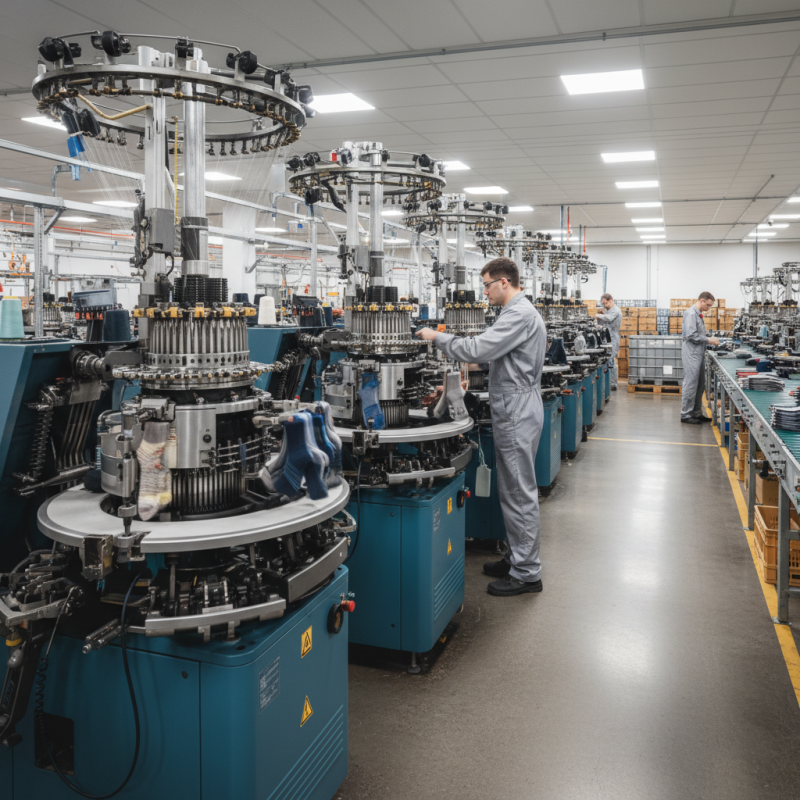
In today's competitive textile industry, choosing the right equipment is crucial for success. Sock knitting machinery stands out as an essential investment for businesses focused on producing high-quality socks. These machines offer precision and efficiency, enabling manufacturers to meet growing market demands.

Crafting socks involves intricate designs and various materials. Sock knitting machinery simplifies this process, allowing for greater creativity. Businesses that embrace this technology can streamline production and reduce labor costs. However, selecting the right model requires careful consideration of factors like size, capability, and budget.

Even with the best machinery, challenges can arise. Operators need training to maximize efficiency. Regular maintenance is key to avoid costly downtimes. Reflecting on these aspects is vital for a profitable operation. Investing in sock knitting machinery can propel a business forward, but it also necessitates a strategic approach to leverage its full potential.
Why Choose Sock Knitting Machinery for Your Business Needs?

Advantages of Sock Knitting Machinery for Manufacturing Efficiency

Sock knitting machinery plays a crucial role in enhancing manufacturing efficiency. These machines streamline production processes, reducing labor costs and improving output quality. According to industry reports, companies that invest in advanced sock knitting technology can increase their production speed by up to 30%. This impressive rate can significantly impact profit margins.

The precision of modern sock knitting machinery also leads to reduced fabric waste. Data indicates that each machine can save up to 15% of raw materials compared to older systems. This not only lowers overhead costs but also aligns with sustainability efforts in the textile industry. High-quality knitting machines produce consistent results, reducing the need for post-production corrections.

However, the initial investment can be daunting for small businesses. This technology may require substantial financial commitment, limiting access for some manufacturers. Despite this, the long-term benefits often outweigh the risks. As many companies strive for sustainable practices and efficient processes, the decision to adopt sock knitting machinery becomes increasingly vital. Balancing costs and capabilities is essential for navigating the competitive landscape of sock manufacturing.

Why Choose Sock Knitting Machinery for Your Business Needs? - Advantages of Sock Knitting Machinery for Manufacturing Efficiency

Feature Advantage Impact on Manufacturing
High Speed Production Increased output rates Higher profit margins
Versatility Ability to produce various styles Catering to diverse market demands
Automation Reduced labor costs Improved operational efficiency
Quality Control Features Consistent product quality Lower return rates and customer dissatisfaction
Energy Efficiency Lower energy consumption Reduced operating costs

Key Features of Modern Sock Knitting Machines to Consider

When selecting sock knitting machinery, understanding key features is crucial. Modern machines offer advanced technology, enhancing efficiency and quality. They should have high-speed capabilities, achieving up to 1,500 stitches per minute. Report data indicates that top-performing machines can increase production efficiency by nearly 30%. This is vital for businesses looking to meet growing market demands.

Additionally, consider machines with customizable settings. This allows for various sock styles and sizes, accommodating diverse customer preferences. Flexibility in production helps businesses quickly respond to trends. Many advanced models feature user-friendly interfaces, significantly reducing training time for operators. Simple, intuitive controls can save hours in setup, translating to cost savings.

**Tip:** Pay attention to the machine's energy consumption. It’s often overlooked, yet it's a critical factor in long-term costs. Machines with energy-efficient designs can reduce operational expenses by up to 20%.

Achieving the right balance between speed and quality is essential. Not all machines deliver consistent results at high speeds. It’s important to evaluate performance data from multiple sources before making a decision. This careful consideration ensures you invest wisely in machinery that meets your specific business needs.

Why Choose Sock Knitting Machinery for Your Business Needs?

This chart illustrates key features of modern sock knitting machines that businesses should consider when investing in machinery. The chart highlights aspects such as speed, energy consumption, maintenance frequency, cost, and production capacity, showcasing the efficiency and effectiveness of these machines.

Cost-Effectiveness: Analyzing the Financial Benefits of Sock Knitting

When considering sock knitting machinery, cost-effectiveness is a crucial factor. Initial investments may seem high, but long-term savings can significantly outweigh these costs. High-speed machines can produce more pairs per hour, leading to reduced labor costs. With automated features, less human intervention is needed.

Maintenance costs also matter. Reliable machinery requires minimal upkeep. Quality machines are designed for longevity, which reduces the frequency of repairs and associated costs. Financial benefits extend beyond production; quick turnaround times can improve cash flow and allow businesses to respond faster to market demands.

However, it’s essential to reflect on specific needs. Not every company will benefit equally from high-speed machines. Assessing existing production capabilities and workforce skills is crucial. Sometimes, the best choice may not be the newest technology. The goal is to find a balance between cost and output. Consider factors like product quality and market trends before making a decision.

Flexibility and Customization Options in Sock Production

Sock knitting machinery offers remarkable flexibility for diverse production needs. This adaptability allows businesses to create a variety of styles and patterns. Manufacturers can easily switch between different designs, enhancing production efficiency. Customizable features cater to unique customer requirements, allowing for personalized sock production.

With advanced machinery, the ability to adjust settings on the fly promotes efficiency. Adding various yarn types opens opportunities for creativity. This flexibility means that businesses can respond quickly to market trends or client demands. However, not every machine provides the same level of adaptability. Some may require downtime for adjustments, which could affect production schedules.

Additionally, while customization options are valuable, they come with challenges. Balancing between standardization and personalization requires careful planning. Production teams may struggle with inconsistent quality when shifting designs frequently. Investing in high-quality machinery can mitigate these issues, but it’s essential to weigh costs against benefits carefully. A thorough evaluation of machinery capabilities is crucial for successful implementation.

Conclusion: The Future of Sock Manufacturing with Advanced Machinery

The future of sock manufacturing is poised for transformation, largely driven by advanced knitting machinery. Industry reports indicate that automated sock knitting machines have increased production efficiency by 40% over traditional methods. This surge in automation enables manufacturers to produce complex designs with precision while minimizing labor costs.

Moreover, new machinery provides opportunities for customization. According to recent surveys conducted by textile industry analysts, over 70% of consumers now prefer personalized textile products. This trend is reshaping how manufacturers approach sock production. Enhanced technology allows for a rapid turnaround in customized designs, meeting consumer demands effectively. As businesses leverage these advancements, they remain competitive in a challenging market.

However, the shift toward automation has its challenges. Many industry veterans express concerns about the potential loss of craftsmanship. While machinery can significantly boost productivity, it may also reduce the human touch that many consumers cherish. Balancing technology use with craftsmanship will be crucial. As the industry evolves, finding this equilibrium will determine the long-term success of sock manufacturing enterprises.

FAQS

: What is the maximum speed of modern sock knitting machines?

: Modern machines can achieve up to 1,500 stitches per minute. This high speed is essential for efficiency.

How can customizable settings benefit sock production?

Customizable settings allow for various sock styles and sizes, catering to diverse customer preferences effectively.

Why is energy consumption important when selecting a sock knitting machine?

Energy consumption affects long-term operational costs. Efficient machines can reduce these expenses by up to 20%.

What should businesses consider for balancing speed and quality?

It is crucial to evaluate performance data. Some machines may sacrifice quality for speed.

How does flexibility in machinery impact production efficiency?

Flexibility allows quick adjustments between designs, helping businesses respond rapidly to market trends.

Can frequent design changes affect product quality?

Yes, frequent shifts can lead to inconsistent quality. Balancing customization and standardization is challenging.

What are the common challenges of customization in sock production?

Customization can lead to inconsistent quality. This requires careful planning to maintain standards.

Why might some machines require downtime for adjustments?

Not all machines offer easy switching between designs, which can disrupt production schedules.

What should be evaluated before investing in sock knitting machinery?

A thorough evaluation of machine capabilities is needed. This ensures a good match for specific business needs.

How can businesses enhance creativity in sock production?

Using various yarn types and adjustable settings promotes creativity and unique designs.

Conclusion

Sock Knitting Machinery has revolutionized the sock manufacturing industry by significantly enhancing manufacturing efficiency. The modern machines incorporate key features that streamline production, such as automated processes, high-speed operation, and superior stitch quality. These technological advancements not only reduce labor costs but also improve output, making sock production more economically viable.

Additionally, the flexibility and customization options offered by Sock Knitting Machinery allow manufacturers to meet diverse consumer demands and trends. As the industry continues to evolve, the integration of advanced machinery is poised to lead the way in innovative sock manufacturing, paving the path for sustainable growth and adaptability in a competitive market.

Madeline

Madeline

Madeline is a dedicated marketing professional with a wealth of expertise in our company's core offerings. With a keen understanding of the industry, she brings a unique perspective to her role, consistently delivering high-quality content that highlights the superior aspects of our products. As......