China Top Hand Sock Knitting Machine Suppliers

Time:2026-09-09 Author:Ethan
0%

China has become an important sourcing base for textile machinery, including the Hand Sock Knitting Machine. However, a supplier’s location does not automatically prove quality. “Top” should describe verified capability, not attractive marketing language.

This guide introduces Chinese suppliers through practical evaluation criteria. It considers manufacturing experience, machine stability, knitting speed, needle compatibility, and control-system usability. A reliable supplier should explain technical details clearly. Product samples can reveal whether cuffs remain elastic and whether stitch density stays consistent across different sock sizes. Factory experience matters here. A clean assembly area, organized testing records, and trained technicians often show stronger process control.

After-sales support also deserves close attention. Ask about installation guidance, spare needles, software updates, warranty coverage, and response times. A machine may perform well during a demonstration, yet daily production can expose weaknesses. Small details matter. Operators notice vibration, thread breaks, noise, and cleaning difficulty within hours.

Supplier websites and certificates are useful references, but they are not complete evidence. Specifications may vary between models. Independent testing, customer feedback, and a live video inspection can provide a clearer view. Some suppliers may also provide impressive samples without explaining production limits. That deserves careful questioning.

The following overview is designed for importers, wholesalers, and manufacturers comparing China’s leading Hand Sock Knitting Machine suppliers. It aims to balance technical information with real purchasing concerns. No supplier is perfect. A thoughtful buyer should verify every important claim before placing an order.
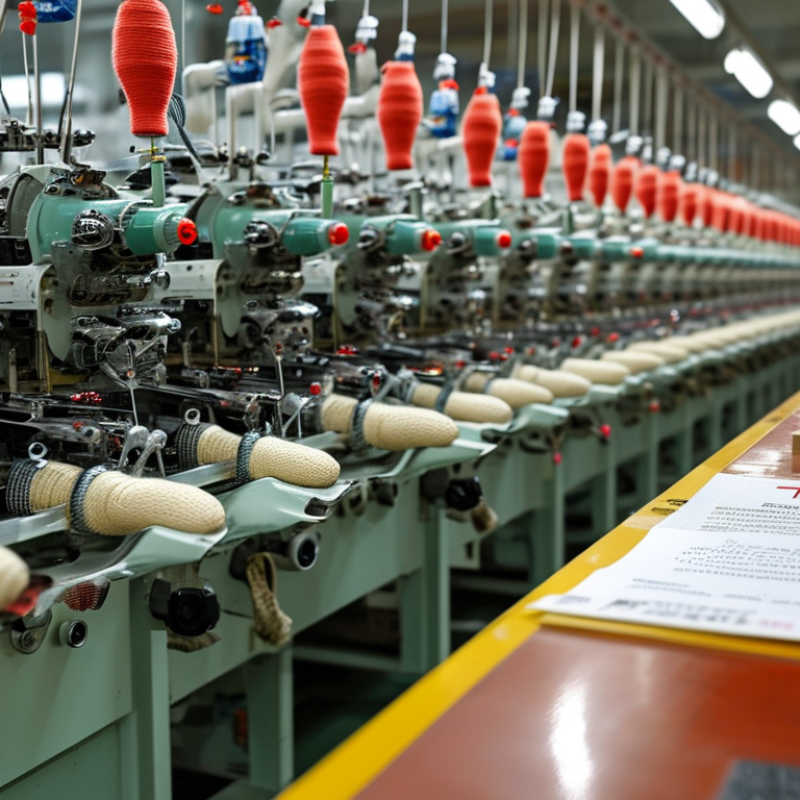
China Top Hand Sock Knitting Machine Suppliers

What Defines a Top Hand Sock Knitting Machine Supplier in China

China Top Hand Sock Knitting Machine Suppliers

A top hand sock knitting machine supplier understands production beyond machine specifications. Experienced engineers should explain gauge, needle selection, knitting speed, and fabric compatibility in practical terms. They should ask about sock size, yarn type, daily output, and operator skill before recommending equipment. Generic advice often creates expensive mistakes.

Reliable suppliers provide clear machine drawings, electrical details, spare parts lists, and operating instructions. A serious factory should demonstrate sample socks made with similar yarn and settings. Watch the machine during testing. Listen for uneven needle movement, unstable tension, or repeated stops. These small details reveal more than polished sales language.

After-sales support also defines supplier quality. Technicians should offer installation guidance, video training, and prompt troubleshooting. Response time matters when a needle cylinder fails during production. Experienced suppliers normally keep common parts available and explain maintenance intervals honestly. They should not promise perfect performance with every yarn. That is unrealistic.

Some suppliers may have strong workshops but weak documentation. Others communicate well but lack deep knitting experience. Buyers should inspect both sides. Ask for test records, acceptance standards, and references from comparable operations. A careful supplier welcomes difficult questions and records agreed specifications in writing. I still believe supplier evaluation is partly imperfect. Factory visits can miss problems hidden by ideal samples. Independent testing remains a sensible safeguard.

Key Machine Types and Features for Hand Sock Production

China’s leading hand sock machine suppliers usually offer several machine types for different production needs. A compact flat-bed machine suits prototypes, short runs, and patterned wrist warmers. It forms panels with controlled needle movement and supports frequent size changes. A circular machine works faster for tubular hand socks and steady bulk orders. Its rotating cylinder can produce even fabric with fewer joining operations. Computerized models add programmable patterns, stitch density, and automatic color selection. These functions reduce manual adjustments, but they need trained operators and stable software settings.

Important features appear during a real production test, not only on a specification sheet. Check needle gauge, cylinder diameter, speed range, and compatible yarn weights. A wider gauge may improve output, while a finer gauge creates softer, closer fabric. Servo-driven take-down helps maintain consistent length around the thumb or cuff area. Automatic lubrication and accessible sensors can shorten maintenance time. Noise and vibration also deserve attention. A fast machine is not useful if workers avoid it.

Reliable suppliers should provide sample knitting, installation guidance, spare-part lists, and clear response times. Ask for samples using your actual yarn, because acrylic, wool, and blended yarns behave differently. Inspect the edge, stretch recovery, seam alignment, and skipped stitches after washing. One weakness is often overlooked: complex automation can make simple repairs harder. We learned this during a small trial. The output looked excellent, but setup took longer than expected. Supplier training and honest downtime estimates matter as much as maximum speed.

China Top Hand Sock Knitting Machine Suppliers – Key Machine Types and Features for Hand Sock Production

Single-cylinder machines are commonly used for standard ribbed and plain socks, while double-cylinder models support more complex structures and shaping. Terry machines add looped cushioning for sports and comfort socks, and jacquard machines are designed for multi-color patterns. The speed ranges shown are representative industry operating ranges in revolutions per minute; actual performance depends on gauge, yarn, sock design, and machine configuration.

How Chinese Suppliers Design, Manufacture, and Test Their Machines

China Top Hand Sock Knitting Machine Suppliers

Chinese hand sock knitting machine suppliers often begin with practical production data. Engineers study yarn thickness, sock size, stitch density, and expected daily output. They then build digital models before cutting metal. A typical design includes servo-driven needles, adjustable cylinders, and a touchscreen control system. Operators test yarn paths carefully. Small friction points can damage delicate fibers.

Manufacturing usually combines CNC machining, manual assembly, and repeated dimensional checks. Technicians measure needle beds, gears, and frame alignment with calibrated tools. They also inspect wiring, lubrication points, and safety guards before powering the machine. Trial knitting follows. Engineers may run cotton, wool, or blended yarn through several patterns. The fabric is checked for loose loops, uneven tension, and missed stitches. These details show practical experience, not just technical claims.

Testing should continue beyond a short demonstration. Suppliers may operate machines for extended cycles and record vibration, noise, temperature, and production consistency. Quality teams compare samples against approved specifications. Yet no factory is flawless. A sample can look perfect while long-term maintenance remains uncertain. I would request test records, replacement-part details, operator training, and clear acceptance criteria. Independent inspection can also reveal alignment problems that factory staff overlook. Better suppliers welcome those questions. That response often matters more than polished showroom results.

Supplier Evaluation: Quality, Customization, Pricing, and Support

China Top Hand Sock Knitting Machine Suppliers

Evaluating Chinese hand sock knitting machine suppliers requires more than comparing quotations. Quality begins with needle accuracy, cylinder stability, servo response, and fabric consistency. Ask for production samples using your yarn, gauge, and sock pattern. ITMF’s International Textile Machinery Shipment Statistics show continuing global investment in knitting equipment, but shipment volume alone cannot prove machine quality. Factory audits, inspection records, and a live trial matter more.

Customization should be measurable. Request written specifications for needle beds, pattern capacity, automatic functions, compatible yarn ranges, and software updates. A reliable supplier should explain tolerance limits and provide replacement-part codes. Pricing must include tooling, commissioning, packaging, training, and spare parts. The lowest offer may become expensive after downtime. The U.S. Department of Energy reports that compressed-air leaks can waste 20% to 30% of compressor output, so factory energy practices also deserve attention.

Support separates a machine seller from a long-term equipment partner. Check response times, remote diagnostics, technician availability, and warranty exclusions. Request references from factories with similar output and labor conditions. ISO 9001 certification can support process credibility, yet it does not replace independent testing. I would also review delivery records, because promised dates often look better than actual performance. One practical test remains powerful: run a full shift, measure rejected socks, record stoppages, and calculate output per operator. Hidden weaknesses appear quickly.

Steps for Selecting and Buying from a Chinese Machine Supplier

Choosing a Chinese hand sock knitting machine supplier requires more than comparing prices. Define your production needs first: sock size, yarn types, needle range, output target, and available floor space. Ask suppliers for complete machine specifications, power requirements, and maintenance details. Clear questions reveal practical knowledge.

Request factory videos, sample socks, and recent customer references. A reliable supplier should explain knitting speed, adjustment time, spare parts, and operator training. Check whether the quotation includes packing, testing, installation support, and delivery terms. Hidden costs can change the final budget. A low price is not always a saving.

Tips: Compare at least three suppliers. Use the same technical checklist for each one. Ask for a written quality standard and inspection plan. Confirm how defects are handled before payment. Request a live video test using your yarn, if possible. Small details matter.

Review communication carefully. Slow or vague answers may create problems after delivery. Payment stages should match production milestones, with documented acceptance criteria. An independent pre-shipment inspection can reduce risk. No checklist is perfect, though. You may overlook a useful feature or underestimate training time. Leave room for spare needles, tools, and early production adjustments. Choose the supplier that offers transparent evidence, not impressive promises.

China Top Hand Sock Knitting Machine Suppliers - Steps for Selecting and Buying from a Chinese Machine Supplier

Step Selection Dimension Practical Data to Compare Recommended Verification Method Buying Guidance
1 Define the Product Range Crew socks, ankle socks, sports socks, work socks, or seamless patterned socks; adult, youth, or children’s sizes. Send the supplier a written product list with sock length, yarn type, size range, and required patterns. Choose a machine configuration that matches the intended products instead of selecting only by the lowest quoted price.
2 Cylinder and Needle Configuration Common sock-machine configurations use cylinder diameters of approximately 3.5–4.5 inches and roughly 84–240 needles, depending on sock type and gauge. Request the cylinder diameter, needle count, gauge, and supported yarn specifications on the formal quotation. Higher needle counts generally support finer constructions, while the correct cylinder size is essential for the target foot and leg dimensions.
3 Machine Type and Automation Options may include single-cylinder, double-cylinder, terry, jacquard, computer-controlled, automatic toe-closing, and automatic sock turning systems. Ask for a live production video or sample run using the same yarn and sock design required for the order. Select only the automation features that reduce labor or improve consistency for your actual production plan.
4 Output and Operating Speed Quoted speeds commonly vary by machine type, sock structure, yarn, size, and pattern complexity; output should be evaluated as finished pairs per 24-hour period. Request a production test report showing cycle time, rejected pieces, operating hours, and finished pairs. Compare verified finished output rather than the maximum no-load speed shown in a catalogue.
5 Yarn Compatibility Confirm compatibility with cotton, polyester, nylon, elastane-covered yarn, wool blends, recycled fibers, and the yarn counts used in production. Provide yarn samples and request knitted samples, yarn-tension settings, and recommended feeder specifications. A machine should be assessed using the buyer’s actual yarn, because yarn friction and elasticity can change quality and productivity.
6 Quality and Inspection Controls Check stitch uniformity, mesh formation, elastic performance, toe quality, needle breakage, oil leakage, abnormal noise, and control-system alarms. Use a pre-shipment inspection with a checklist, test samples, photographs, and recorded operating conditions. Define acceptance criteria in the sales contract before paying the balance.
7 Electrical and Safety Documentation Verify rated voltage, frequency, phase, total power, emergency-stop functions, guards, manuals, wiring diagrams, and applicable conformity documentation. Send the destination-country electrical requirements and request the machine nameplate, user manual, wiring diagram, and declaration documents. Do not assume that a general quality-management certificate proves product safety or electrical compliance.
8 Price and Total Cost of Ownership Compare machine price, tooling, spare needles, feeders, freight, insurance, import duty, installation, training, electricity, and routine maintenance. Request an itemized pro forma invoice and a separate list of included and excluded accessories. The lowest initial quotation may have a higher long-term cost if critical parts or training are excluded.
9 Lead Time and Shipping Terms Record production lead time, packing method, shipment dimensions, gross weight, port of loading, Incoterm, and estimated transit time. Obtain the delivery schedule in writing and confirm whether the lead time starts after deposit, technical approval, or sample approval. Use an agreed Incoterm and verify who is responsible for export clearance, freight, insurance, and destination charges.
10 Warranty and After-Sales Support Compare warranty duration, coverage for electrical and mechanical parts, remote troubleshooting, technician response time, and availability of replacement parts. Request the warranty terms, service contact details, spare-parts price list, and video or remote-training plan. Clarify whether labor, shipping, consumables, and damage caused by incorrect operation are covered.
11 Supplier Capability Assessment Assess manufacturing capacity, quality-control procedures, export experience, technical staff, spare-parts inventory, and ability to provide customized settings. Request factory videos, process photographs, quality records, references for comparable machines, and a video call with technical personnel. Evaluate documented capability and technical communication instead of relying solely on online listings.
12 Contract and Payment Protection The contract should state model configuration, specifications, accessories, sample approval, delivery date, inspection rights, warranty, remedies, and payment milestones. Match the legal seller, bank-account holder, quotation, purchase contract, and commercial invoice before transferring funds. Use a payment structure that retains a final balance until agreed inspection and documentation requirements are completed.

FAQS

: What should a supplier ask before recommending a sock knitting machine?

: They should ask about sock sizes, yarn types, daily output, gauges, and operator experience. Generic advice can become expensive.

Which machine details deserve close attention?

Check needle accuracy, cylinder stability, servo response, knitting speed, and fabric consistency. Small movements matter.

How can buyers test machine quality?

Request sample socks made with your yarn, gauge, and pattern. Then watch a live trial. Record stops and rejected socks.

What documents should a reliable supplier provide?

Request machine drawings, electrical details, spare-parts lists, operating instructions, and acceptance standards. Written details prevent later confusion.

How should customization be evaluated?

Ask for measurable specifications covering needle beds, pattern capacity, automatic functions, yarn ranges, and software updates. Tolerance limits should be written clearly.

What costs should buyers include in the quotation?

Include tooling, commissioning, packaging, training, spare parts, maintenance, and possible downtime. The cheapest quotation may not stay cheap.

What after-sales support is important?

Check installation guidance, video training, remote diagnostics, technician access, and troubleshooting response times. A failed needle cylinder can stop production quickly.

How can a buyer assess factory reliability?

Review inspection records, delivery history, test results, and references from similar operations. A full-shift trial is especially useful. Ideal samples can mislead.

Should buyers trust certification alone?

No. Certification may support process credibility, but independent testing remains sensible. I would still verify everything.

Conclusion

China has become an important source of Hand Sock Knitting Machine solutions, offering equipment for different production scales, materials, and design requirements. A top supplier is defined not only by machine performance, but also by engineering expertise, stable manufacturing processes, strict quality control, and responsive customer service. Common machine types may support various sock sizes, patterns, yarn combinations, and automation levels, while key features include precise knitting control, durable components, convenient operation, and efficient energy use.

When evaluating suppliers, buyers should examine machine specifications, customization capabilities, production capacity, testing procedures, pricing transparency, warranty terms, spare-parts availability, and technical support. Reliable manufacturers typically design and assemble machines through standardized procedures, conduct performance testing before shipment, and provide clear operating guidance. A practical purchasing process includes identifying production goals, comparing suitable models, requesting technical details and quotations, verifying supplier qualifications, reviewing payment and delivery conditions, and confirming installation or training services. This careful approach helps buyers select dependable equipment and establish a stable long-term supply relationship.

Ethan

Ethan

Ethan is a seasoned marketing professional with a deep expertise in our company's innovative product line. With a passion for sharing knowledge and insights, he takes the lead in regularly updating our corporate blog, where he explores industry trends, product features, and effective marketing......