Explore our core industrial solutions engineered for optimal manufacturing efficiency, durable operations, and precise finishing quality.
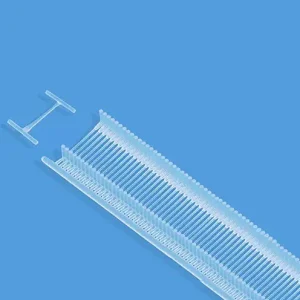
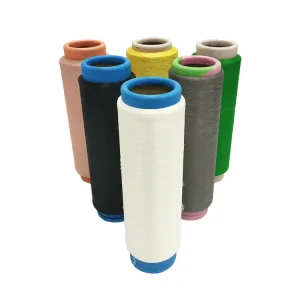
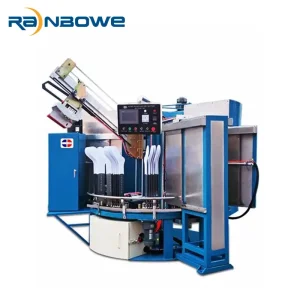
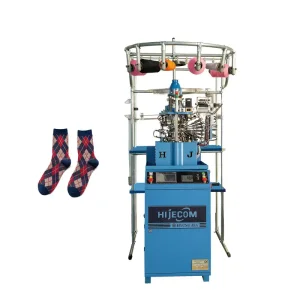
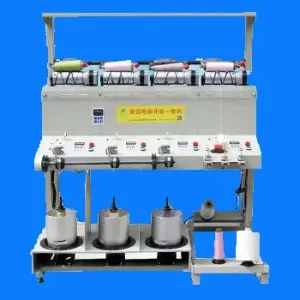
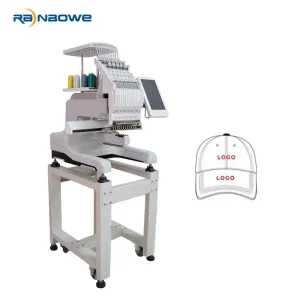
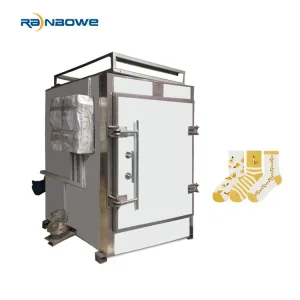
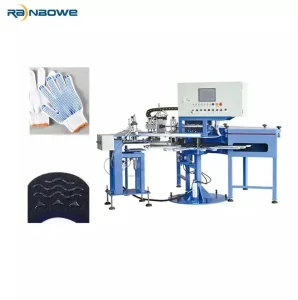
Within the global apparel supply chain, sock styling and aesthetic presentation are heavily determined by the thermal-setting phase. Raw socks exiting a standard knitting machine are physically loose, irregular, and lack dimensional stability. To lock in size, improve fiber density, and ensure an optimal hand-feel, the application of high-pressure saturated steam is mandatory.
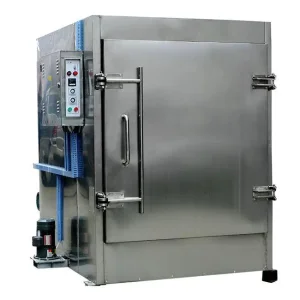
Modern **SocksSteamMachines** operate on the principles of thermoplastic memory setting. By applying precise steam saturation followed by instant dry heat, synthetic fibers (like Nylon, Polyester, and Spandex) and natural fibers (such as combed cotton and bamboo yarns) realign at a molecular level. This guarantees that socks retain their ergonomic design, elastic resilience, and color luster over multiple wash-and-wear cycles.
As the international retail market demands superior packaging standards, upgrading from manual, electric heat-irons to fully computerized steam setting machinery has become a vital strategic shift for textile manufacturers globally. Modern factories require high output, low energy consumption, and uniform thermal distribution to maintain product margins.
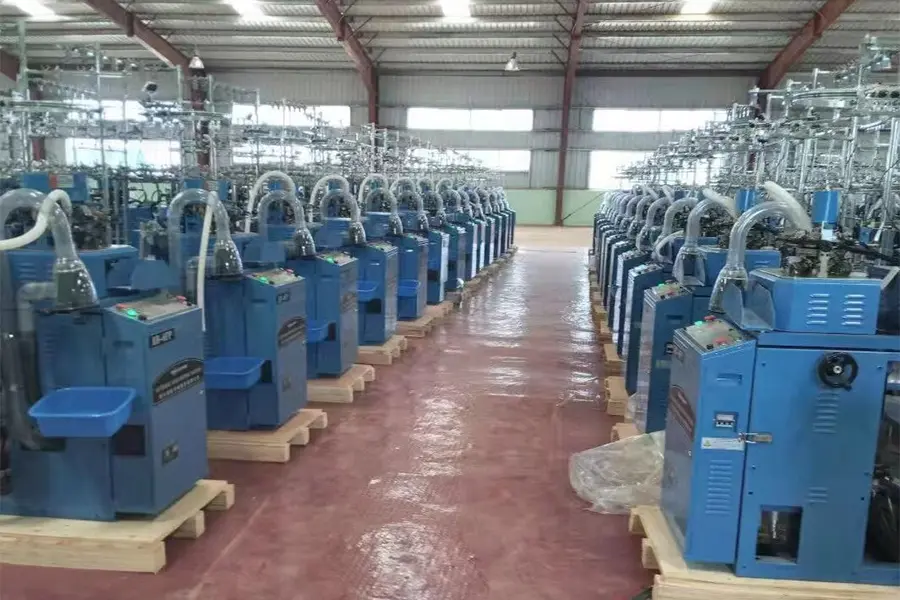
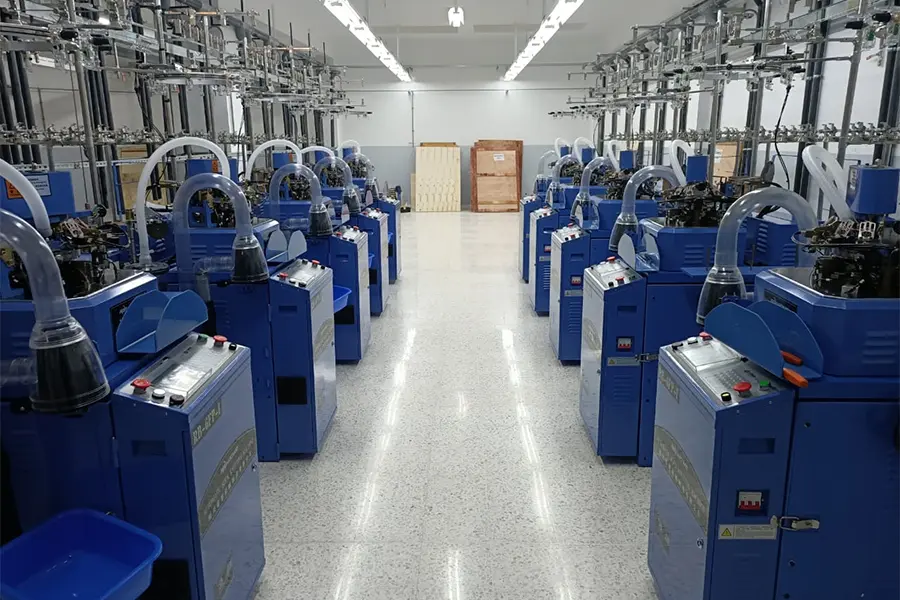
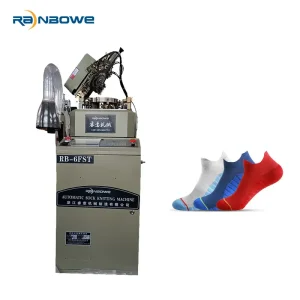
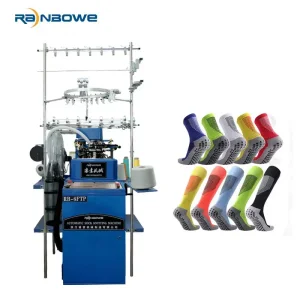
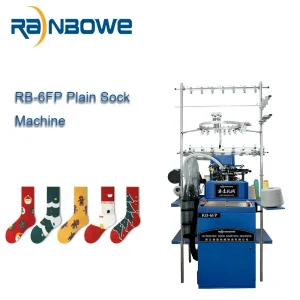
Established in 2011, Shaoxing Rainbowe Machinery Co., Ltd. is a comprehensive modern enterprise focusing on the research and development, manufacturing, sales, and service of sock machines. Our company's proprietary RB sock machines are offered in four premier models: RB-6FP, RB-6FP-I, RB-6FTP, and RB-6FTP-I, which are highly engineered to meet various customer sock-making demands—including sports socks, complex jacquard socks, invisible low-cut liners, and school socks.
Our sock machinery line incorporates an advanced, high-speed computerized control system supporting multi-language operations: English, Spanish, Arabic, Russian, and more, allowing seamless integration into global textile factories.
At Rainbowe, we continuously upgrade the quality of our sock machine spare parts. Every improvement is focused on extending the machine's operational lifespan and providing a reliable guarantee for stability, durability, and high productivity. By optimizing component resilience, we help clients minimize daily maintenance overheads while slashing long-term production costs.
"Turning ideas into reality! We strive to make Rainbowe quality the absolute symbol of mutual success."
Exported to Europe, South America, Africa, Asia, and countries like the USA, Mexico, Portugal, Peru, and beyond.
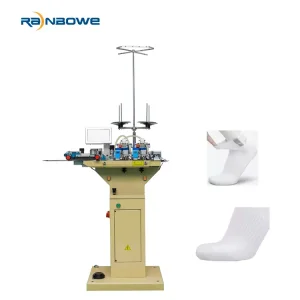
From sock knitting machines, toe-linking, and steam-boarding units to raw materials like yarn (ACY/SCY) and packaging accessories.
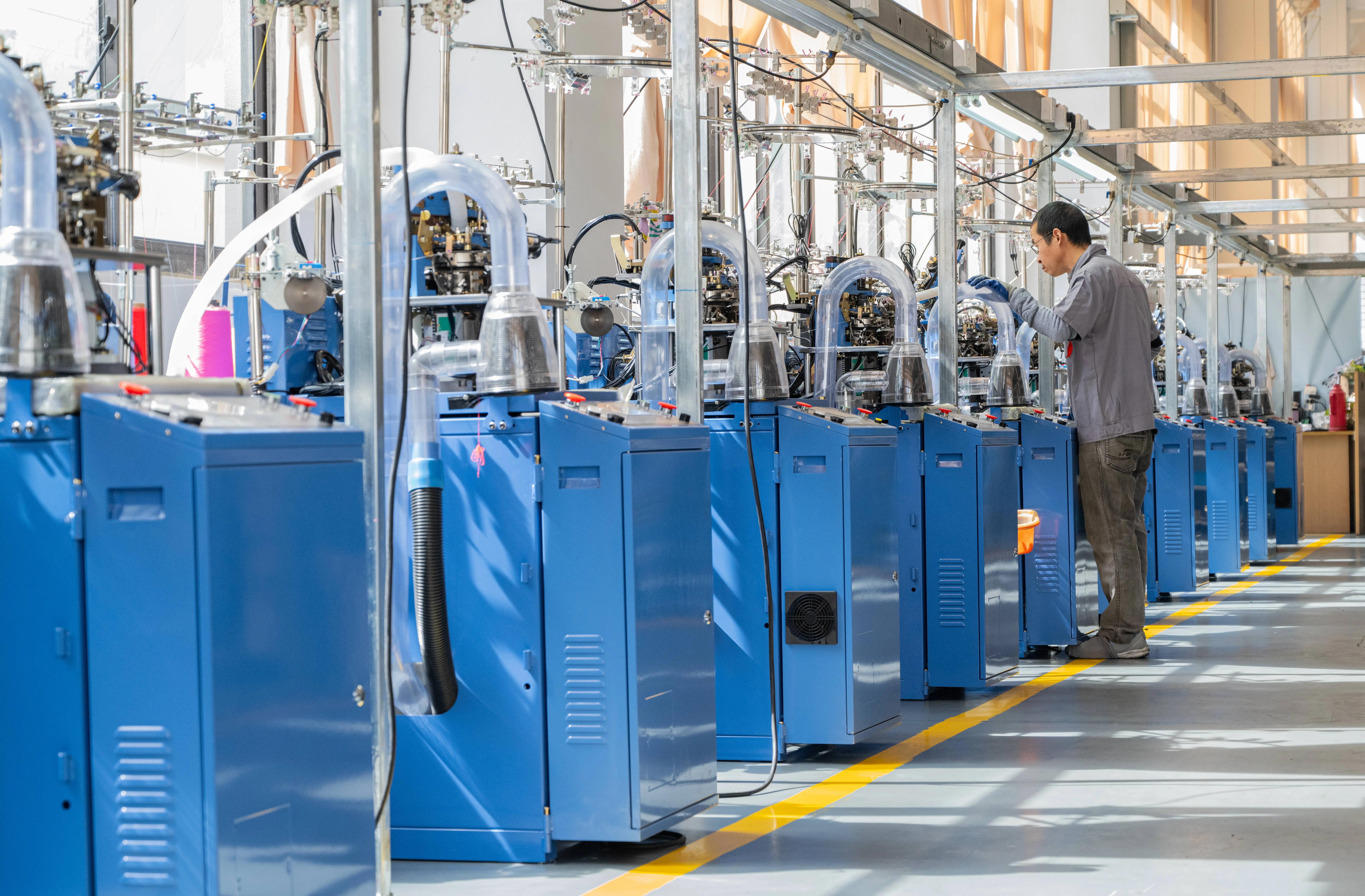
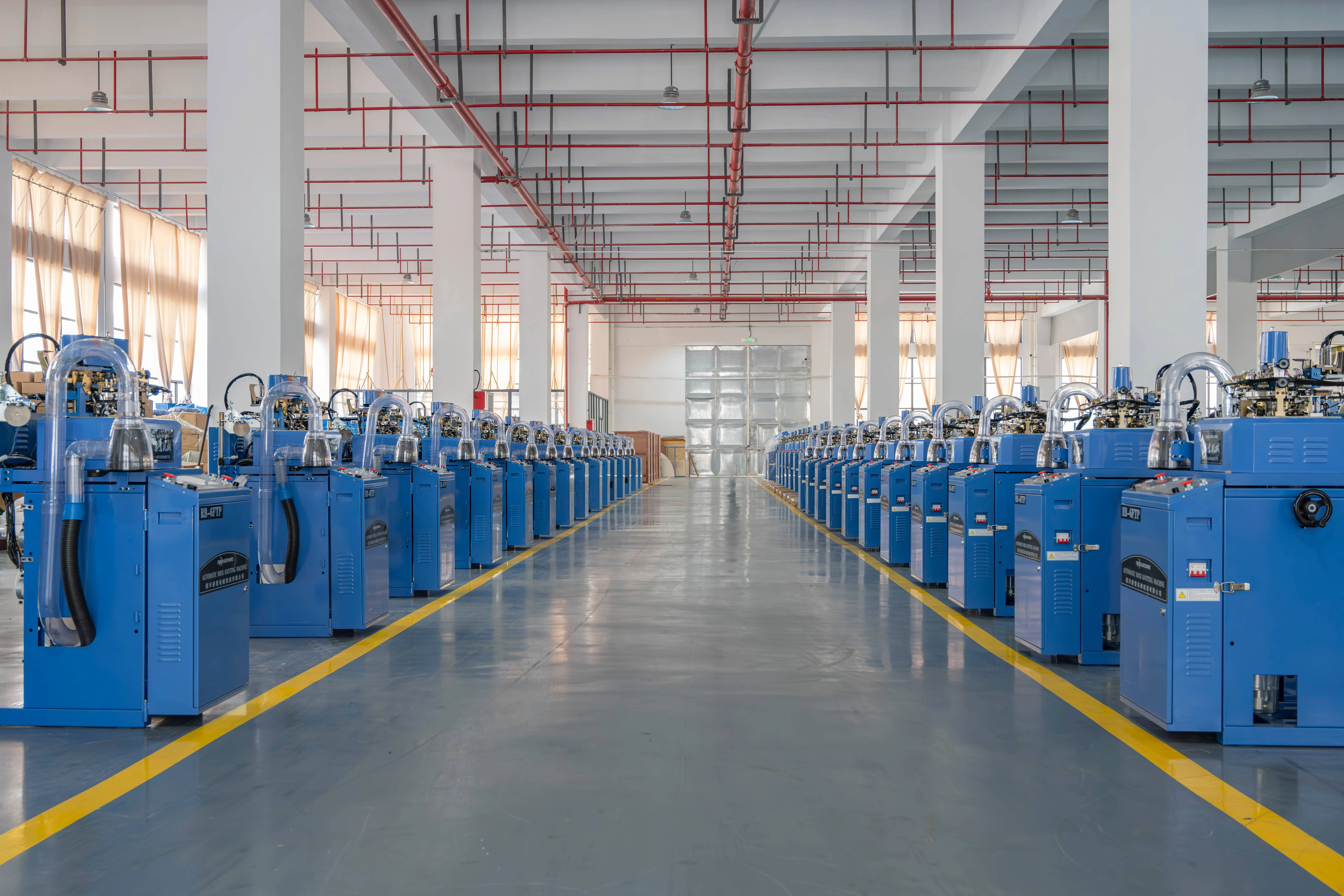
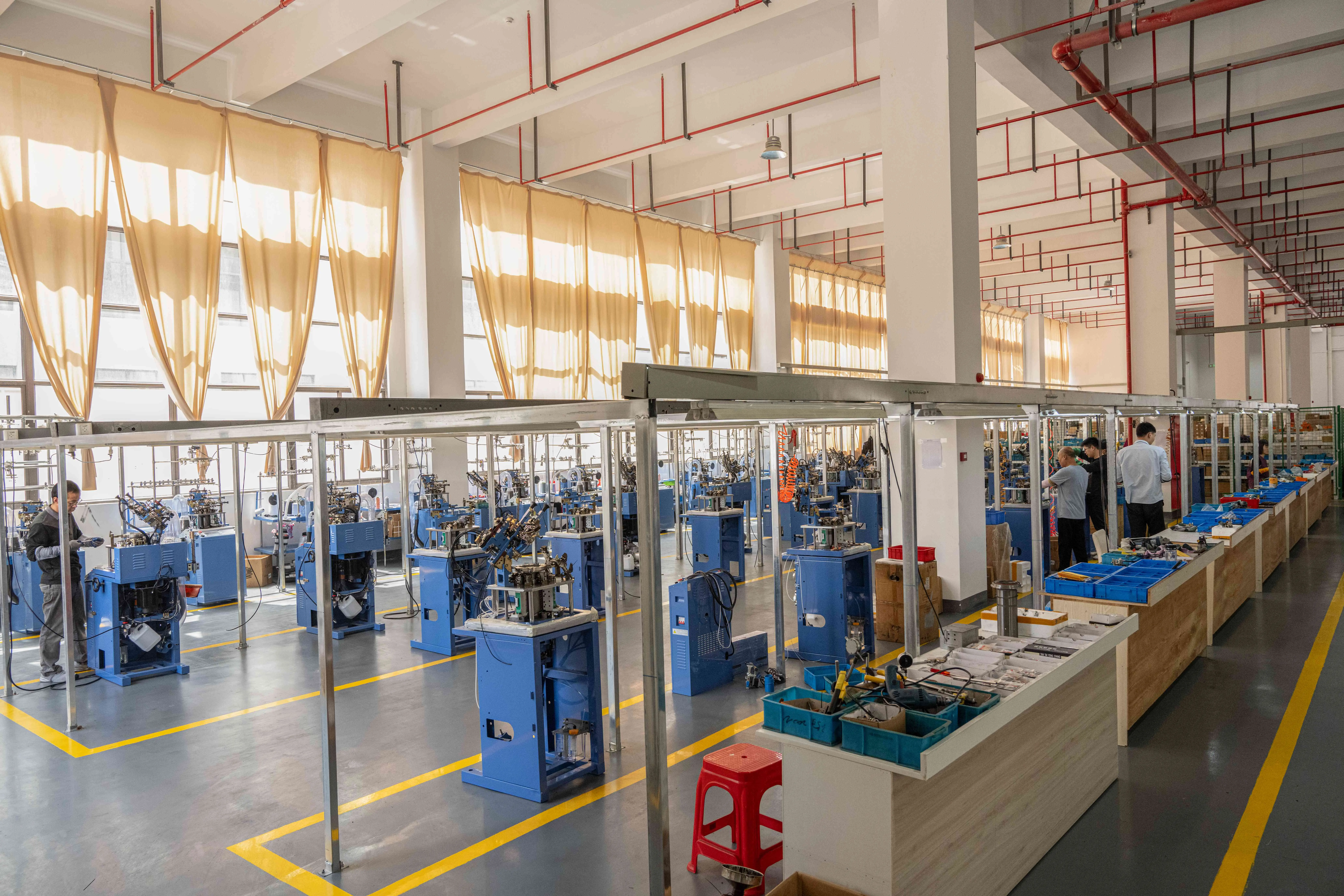
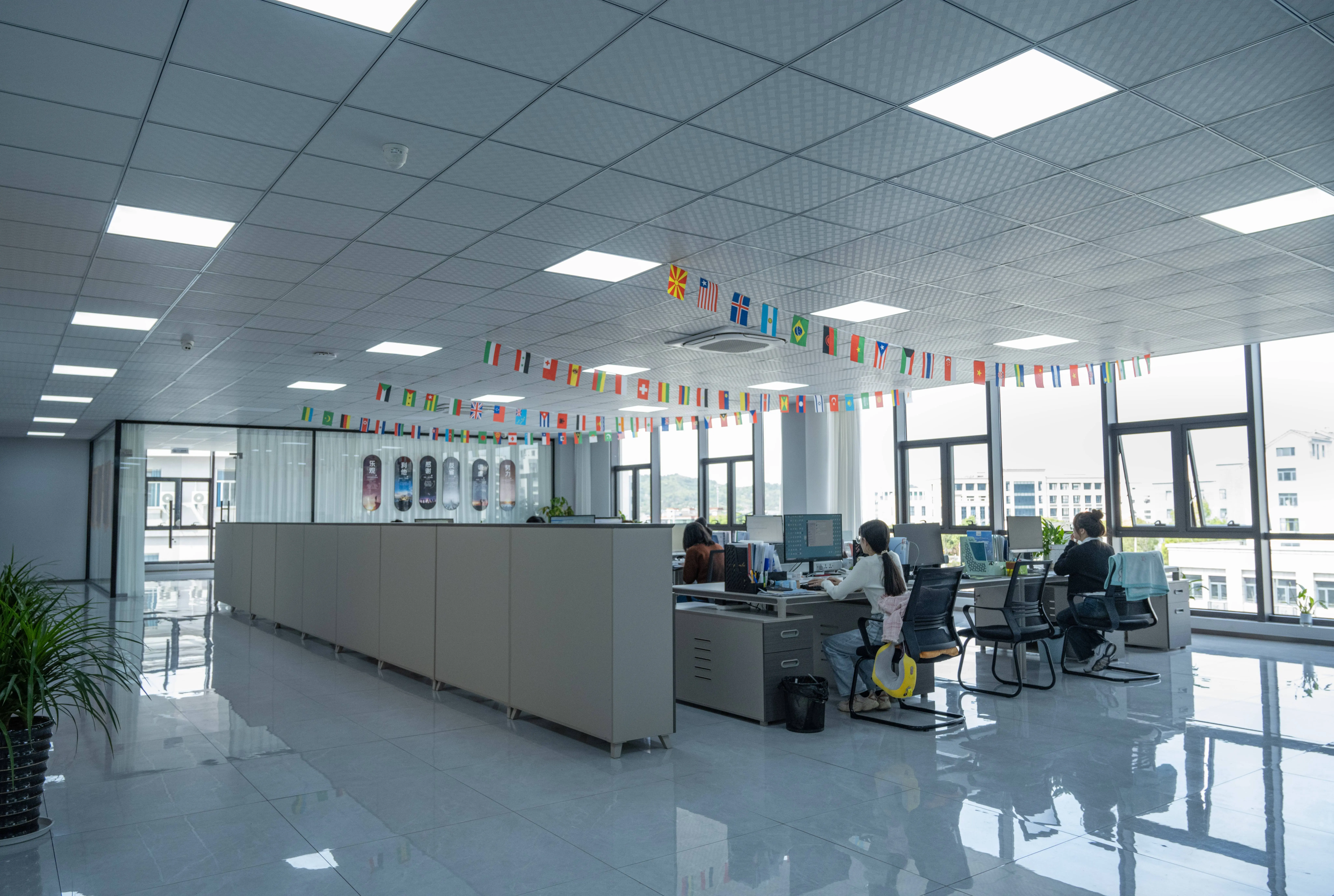
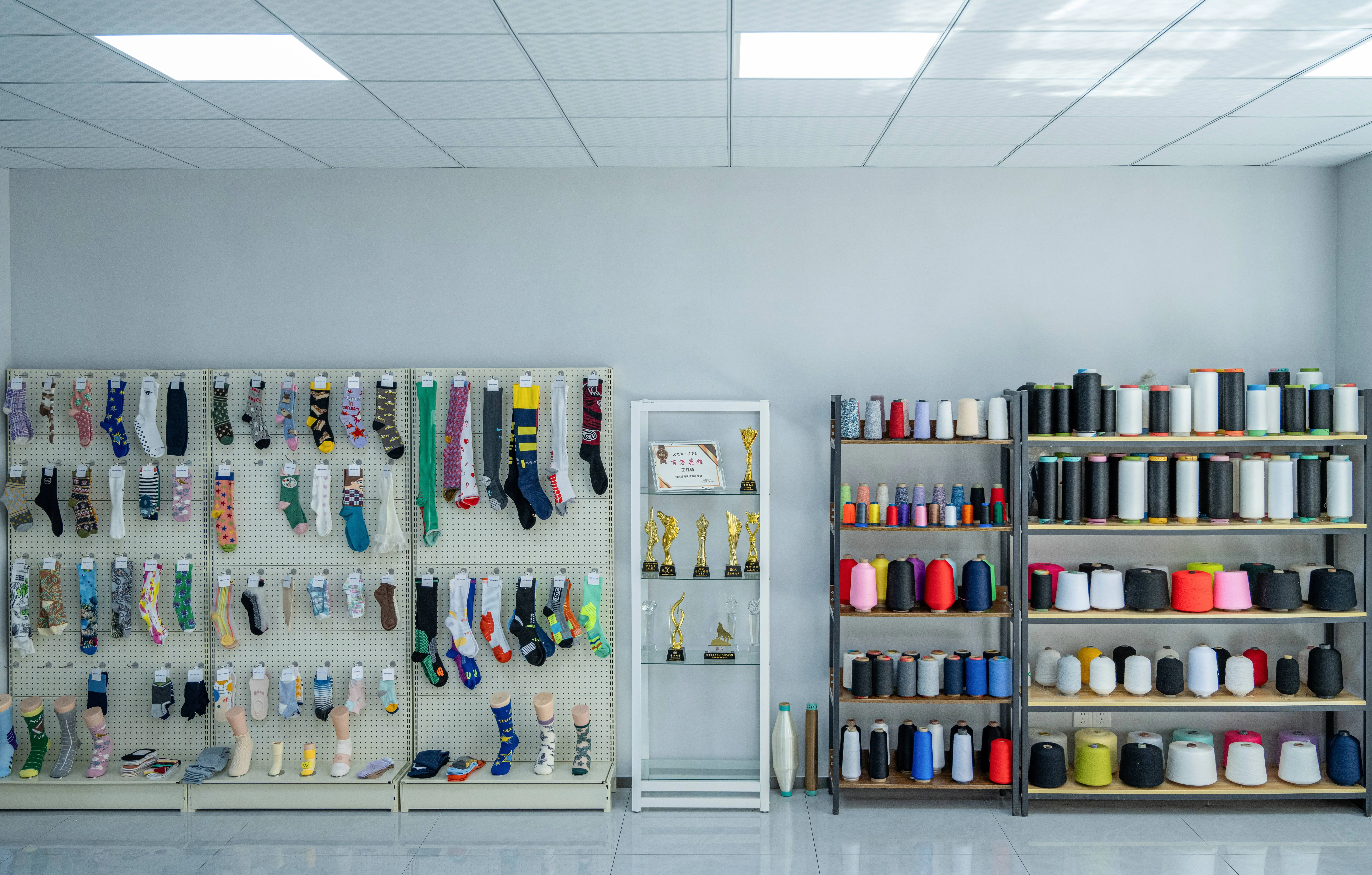
The manufacturing cluster located in Zhejiang, China (incorporating the famous Zhuji Sock Machine industrial bases) delivers unparalleled advantages in engineering cost, scale, and continuous technology refinement.
Every single component—from computerized microcontrollers, pneumatic steam valves, metal sock boards, to high-end heating tubes—is produced within a 50km radius. This localized ecosystem dramatically lowers lead times and sourcing costs, giving global buyers exceptional pricing leverage.
Driven by competitive domestic demands, Chinese machinery manufacturers iterate rapidly. We incorporate advanced electrical components, touchscreen programming interfaces, and custom steam recovery chambers faster than traditional European suppliers, while maintaining a highly cost-competitive posture.
With direct transport channels via Ningbo and Shanghai ports, customized electrical setups (supporting localized voltages like 110V/220V/380V/440V) can be quickly built, certified, loaded, and dispatched. This guarantees a rapid turnaround for international buyers setting up new operations.
Industrial steam boarding machines are tailored to specific product categories. Selecting the right setup is essential to maximize output and ensure high-end garment aesthetics.
Sports socks feature dense terry cushioning and compression bands that require intense thermal penetration to set their shape without crushing the loops. Rainbowe's steam setting allows the spandex yarn to contract evenly, maintaining the crucial compression characteristics and plush cushioning demanded by athletes.
Fine medical-grade stockings or control-top hosiery demand rigorous control over diameter and elasticity profiles. Over-ironing or dynamic steam fluctuations can cause pressure variance. Computerized steam regulation keeps the temperature within +/- 0.5 degrees, assuring precise graduated compression throughout the stocking.
Multi-colored jacquard pattern yarns feature many cut thread ends internally, which are prone to shifting or snagging during standard pressing. Saturated steam relaxes these threads and binds the synthetic backing structure, giving a smooth inner profile and a pristine external look without risking scorching or yarn degradation.
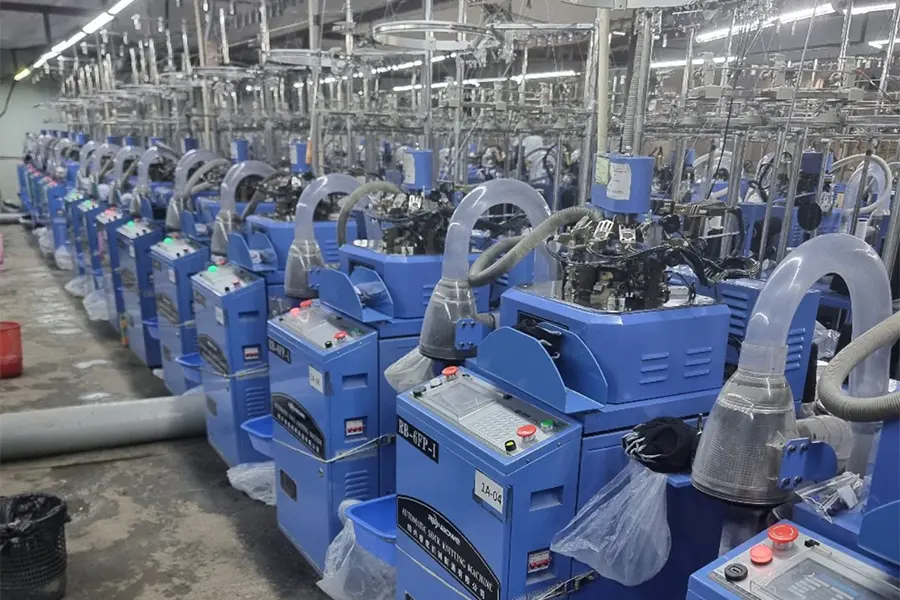
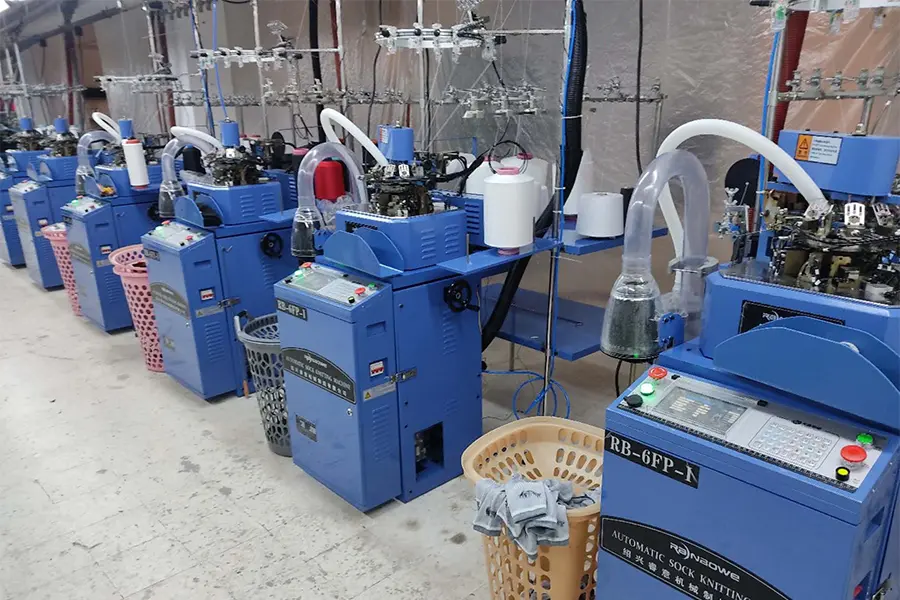
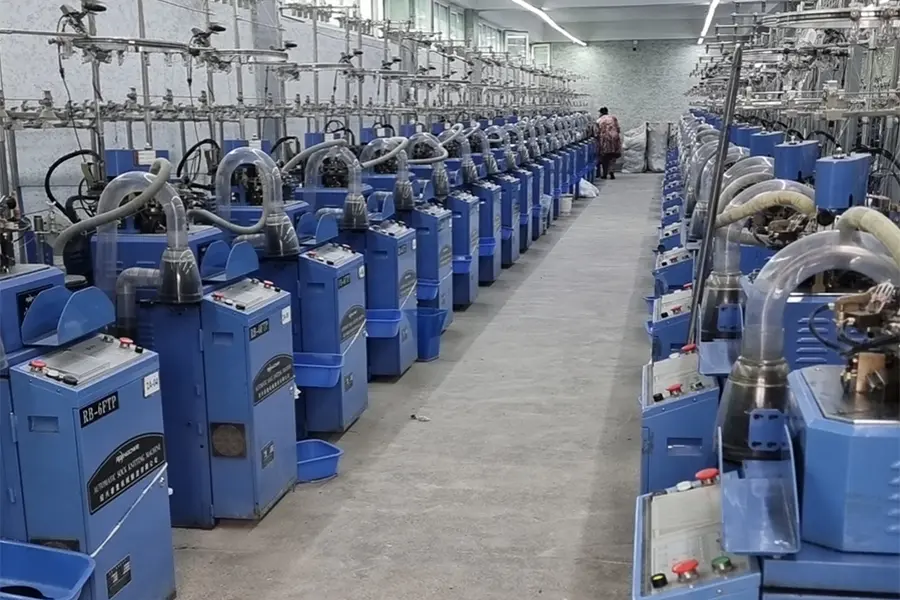
The global textile sector is facing dynamic regulatory shifts focusing on energy footprint and emission reductions. Traditional gas-fired or independent boiler set-ups are transitioning towards localized steam generators that produce steam only when a sock-form enters the chamber. This eliminates energy waste during downtime.
Additionally, modern systems now use Internet-of-Things (IoT) diagnostic boards, allowing manufacturing companies to monitor temperature, steam pressure, speed, and output statistics in real-time. This integration ensures predictive maintenance routines, minimizing unscheduled factory downtime and guaranteeing constant output rates.
Purchasing managers evaluating sock-boarding machinery must focus on three core areas: output per hour, energy usage metrics, and physical frame footprints. For high-volume producers, choosing rotary multi-form setups (e.g. 10-form, 20-form, or larger) ensures that loading, steaming, drying, and auto-stripping happen in a unified continuous loop, optimizing labor-efficiency metrics.
For small to medium enterprises (SMEs) or regional brands, compact electric-heated boarding solutions (small footprint, lower energy demand) are more cost-efficient, saving on initial infrastructure investments while maintaining high finishing qualities.
At Shaoxing Rainbowe Machinery, technical service is not just an afterthought—it's our primary operational pillar.
Mechanical parts are backed by a comprehensive 2-year warranty to guarantee structural reliability. All precision electronic components are covered by a 1-year replacement warranty, ensuring your investment is well-protected against component failures.
We solve technical queries instantly via live 1-on-1 video calls between our senior service technicians and your local maintenance team. This keeps factory uptime optimized without waiting for on-site personnel.
Simply send us photos or structural specifications of the socks you aim to manufacture. Our design team will compile the necessary digital chain programming files for free, allowing immediate plug-and-play production.
We welcome client operators to our manufacturing facility in China for dedicated engineering training. Our technicians guide you step-by-step through configuration, mechanical calibrations, and electronic troubleshooting.
We maintain an extensive, updated library of servicing, calibration, and routine upkeep tutorials on Facebook and YouTube, giving your workshop floor teams visual guides at any time of day.
Before packing, every single sock machine undergoes a grueling 48-hour continuous 330RPM high-speed endurance run. Once components stabilize, we debug the setups to knit sample socks, guaranteeing error-free operations upon delivery.
Find technical answers to frequently asked questions regarding steam setting, knitting controls, and procurement criteria.
A: Steam boarding utilizes high-pressure saturated steam to penetrate the core of the yarn, relaxing elastic fibers uniformly before drying. Electric dry ironing only applies conductive surface heat, which can lead to uneven shrinkage, flattened textures, or fabric scorching on synthetic fibers.
A: Yes. The steam pressure, chamber temperature, and setting cycle time can be adjusted down to decimal levels. This precise regulation ensures the critical compression gradients of medical or athletic hosiery remain intact.
A: Yes. All our machines can be customized to match local industrial electrical grids, including 220V/380V/440V, 50Hz/60Hz, and single or three-phase setups, depending on client site requirements.
A: Auto-stripping uses synchronized mechanical grippers to pull finished socks off the boarding forms automatically. This allows operators to focus solely on loading wet/unformed socks, increasing production speeds by up to 40%.
A: Daily steps include checking water filtration systems (softened water prevents mineral scaling in steam lines), clearing dust from lint screens, checking pneumatic seal integrity, and lubricating sliding rails.
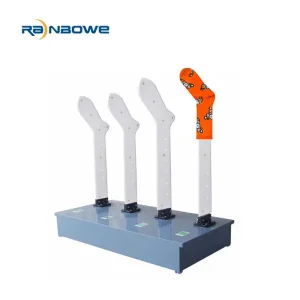
A: Yes. The metal sock forms (shapes) are fully modular. Operators can quickly swap forms of different lengths or widths (men's, women's, children's sizes) onto the conveyor pins without changing the core machinery structure.
A: Heavy hard water leads to calcium build-up inside steam nozzles, causing uneven vapor flow and reduced thermal performance. We strongly recommend installing a basic water softener system upstream of the steam source.
A: Our steam chambers are fully enclosed with double-walled thermal insulation. The control cycle ensures that steam is only released when the chamber is completely sealed, shielding operators from vapor emissions.
A: For high-end socks treated with softening, anti-odor, or anti-bacterial agents, computerized temperature control ensures these coatings are set onto the fibers without breaking down their active molecules.
A: Standard configurations ship in 20-30 days. Custom electrical ratings, complex sock form designs, or large integrated lines typically require 45-60 days for assembly, calibration, and rigorous pre-shipment tests.
From high-speed boarding units to yarn structures and tag accessories, we supply everything needed to optimize your production lines.
 Rainbowe