 Rainbowe
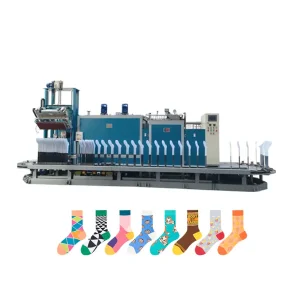
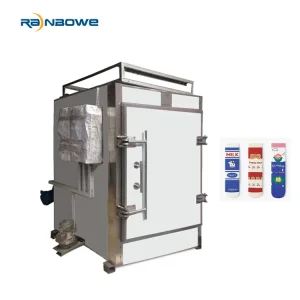
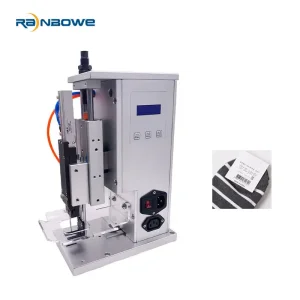
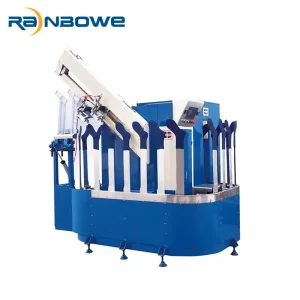
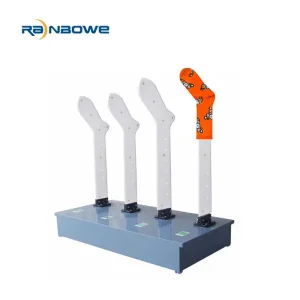
The global hosiery industry has undergone a paradigm shift, transitioning from labor-intensive manual processes to highly automated, technology-driven production lines. Central to this evolution is the Steam Machine Sock Boarding process. Boarding is not merely an ironing step; it is the critical phase where the fabric structure is stabilized, ensuring size uniformity and professional aesthetics—factors that directly influence market competitiveness.
Industry Trends and Automation
Modern industrial standards now dictate high-capacity output with minimal energy consumption. Manufacturers worldwide are replacing traditional batch processing with automatic rotary boarding machines. These machines integrate steaming, drying, and shaping, significantly reducing labor dependency and human error. As an industry-leading manufacturer, we observe that the current trend favors "Intelligent Manufacturing" (Industry 4.0), where machines are equipped with smart sensors, remote maintenance capabilities, and high-speed data logging.
Global Procurement Demands
From South America to Southeast Asia, sock factories are facing increasing demands for fast delivery and diverse styles (e.g., sports socks, jacquard patterns, compression hosiery). Procurement teams are no longer just looking for a machine; they are seeking a strategic partner who can offer:
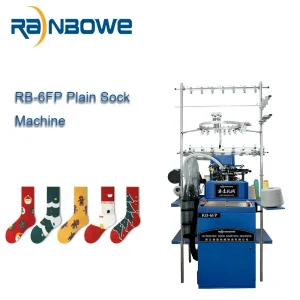
- Integrated Supply Chain Solutions: Sourcing knitting, linking, and boarding machines from a single reliable source.
- Localization Support: Machines customized for local electrical standards and language interfaces.
- Technical Scalability: Equipment that can adapt to future production upgrades.