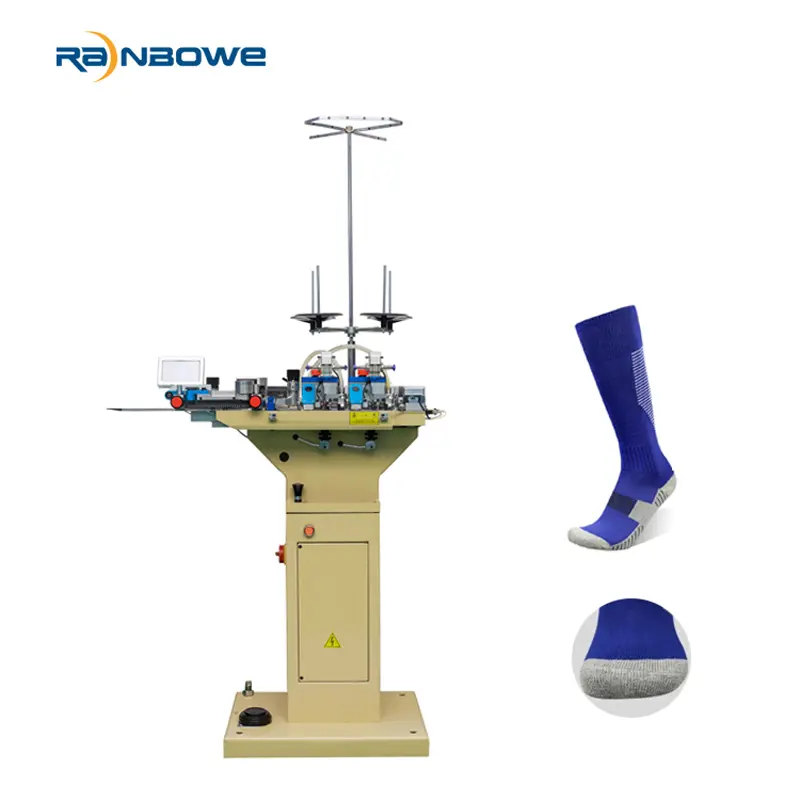
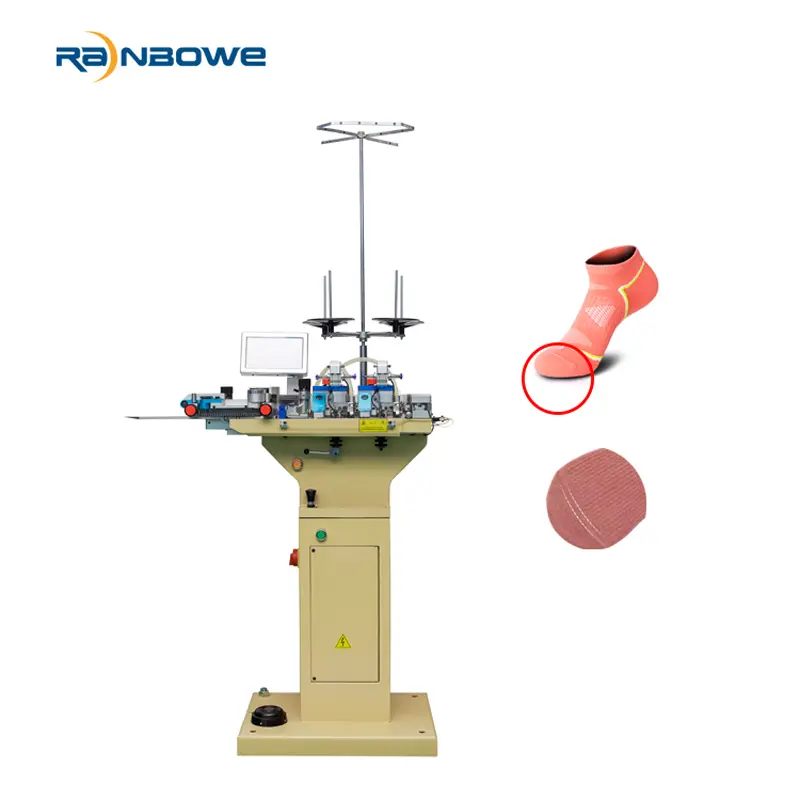
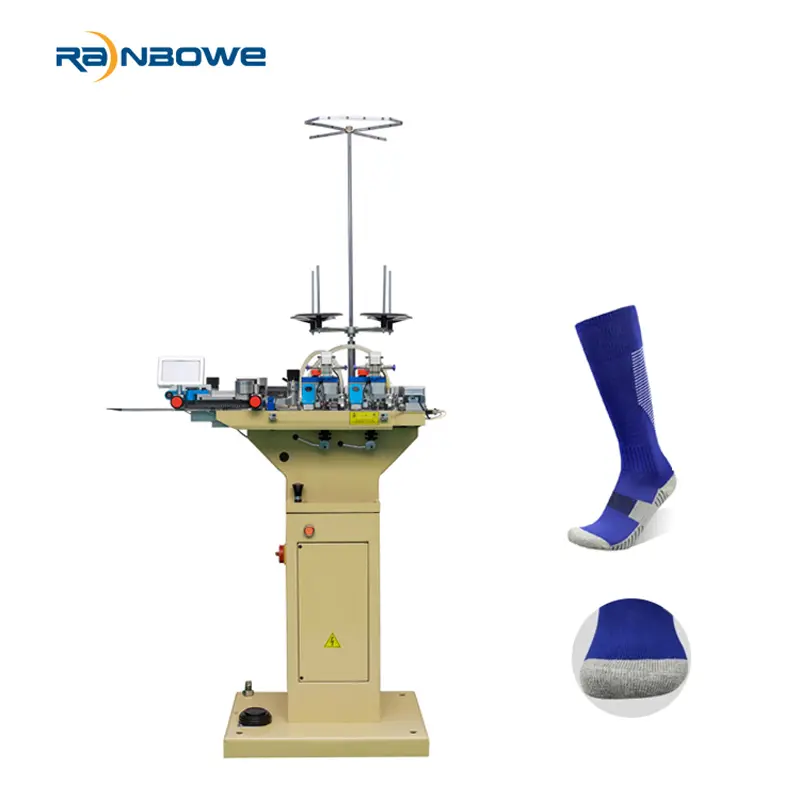
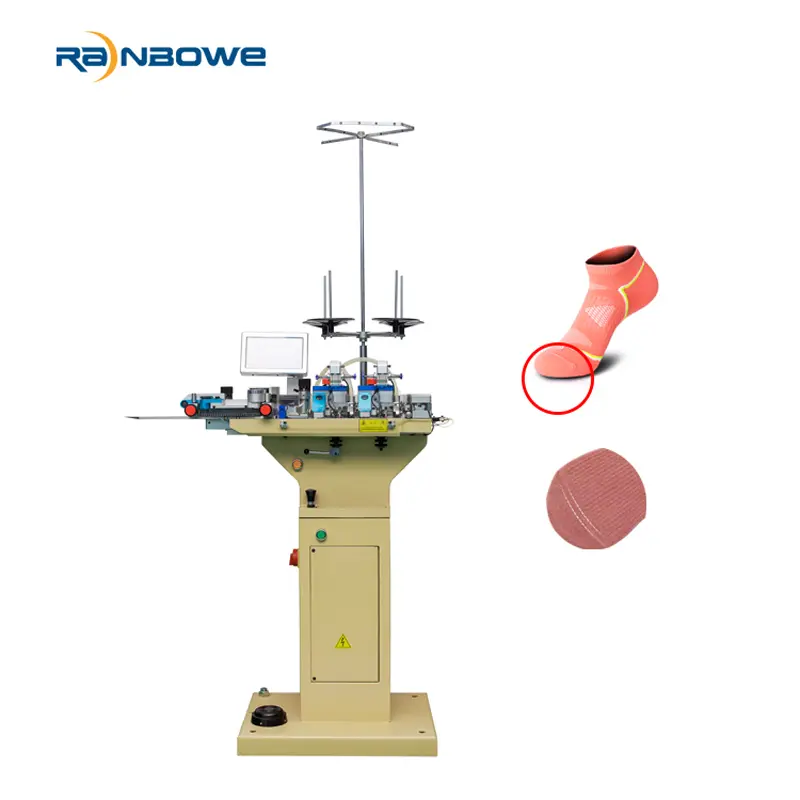
Usually customer-oriented, and it's our ultimate focus on to be not only by far the most reliable, trustable and honest provider, but also the partner for our customers for Socks Knitting Machine, Machines Produce Socks, and Used Sock Machine. Welcome your visiting and any your inquires, sincerely hope we can have chance to cooperate with you and we can build up long well business relationship with you.
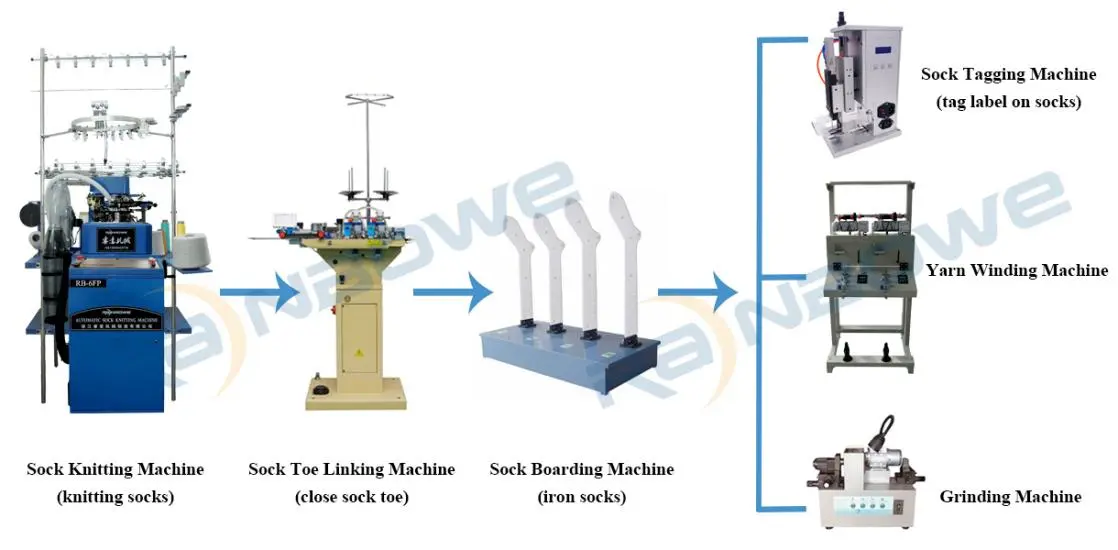
Sock Production Line Integration
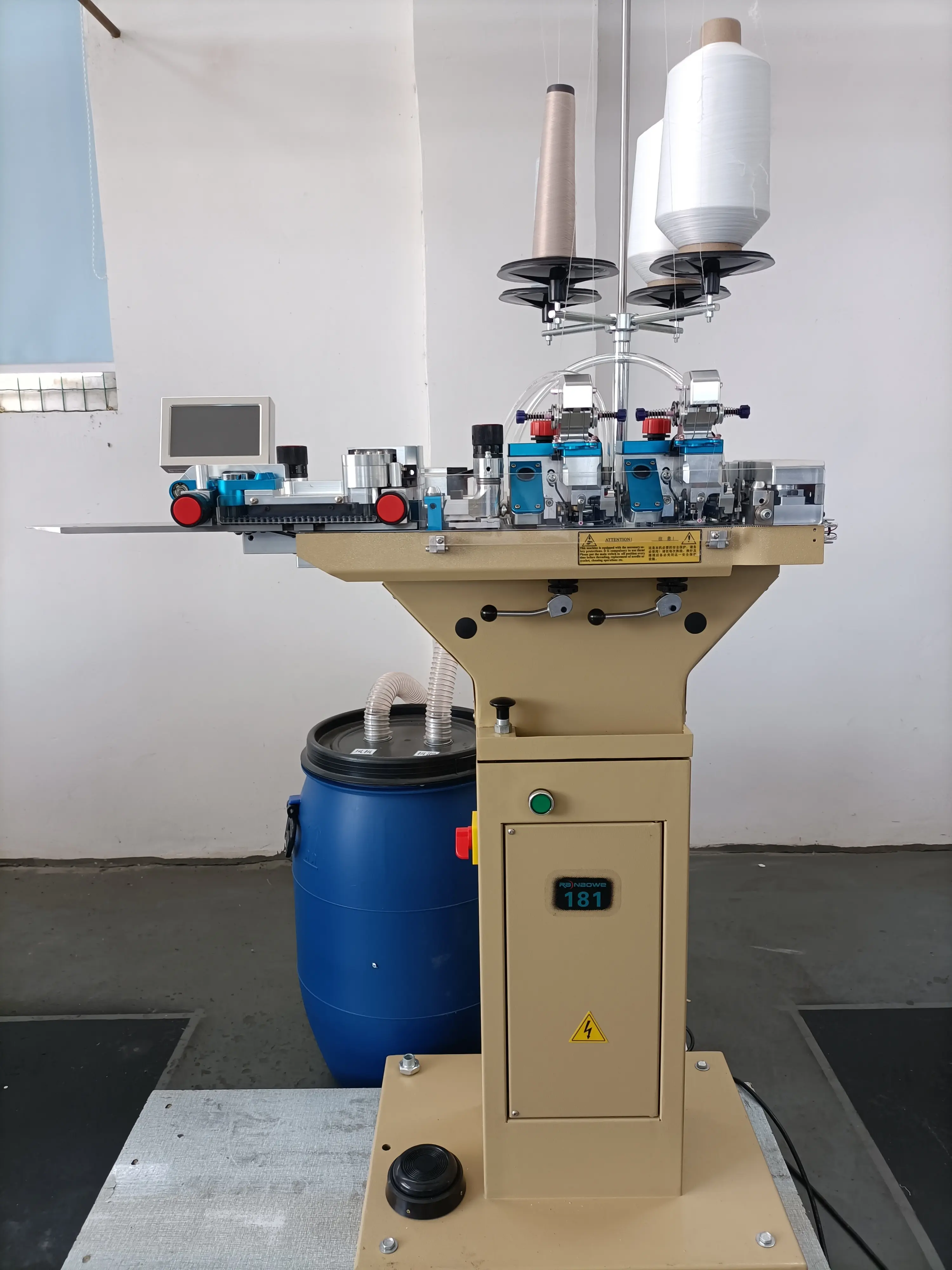
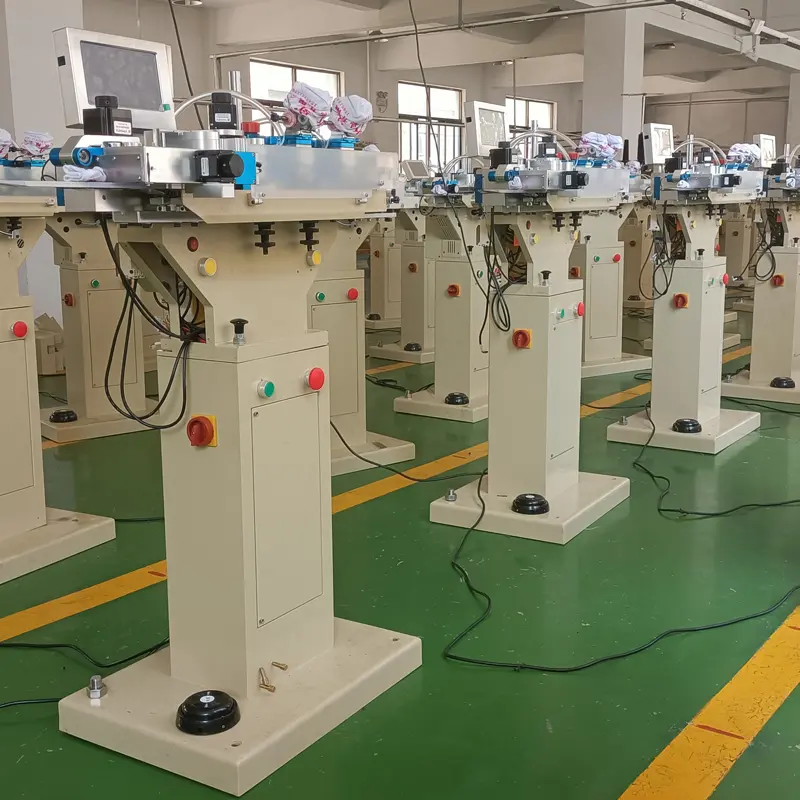
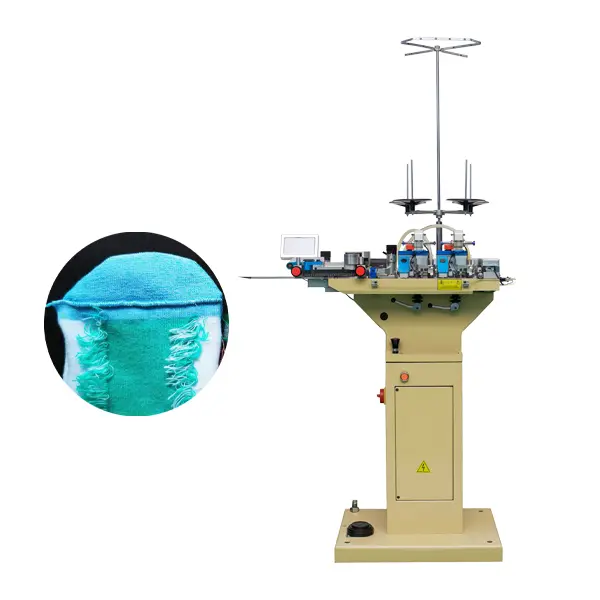
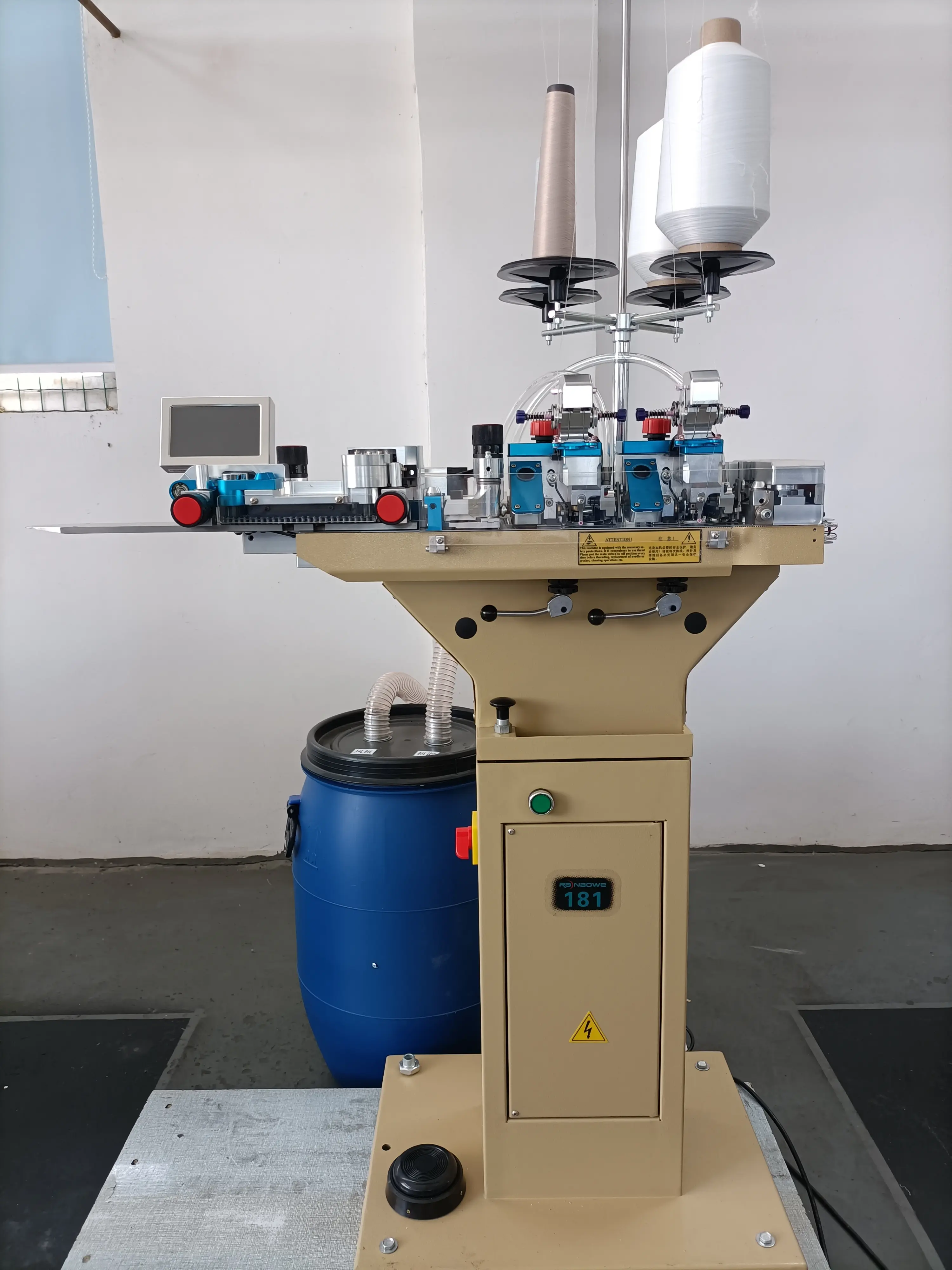
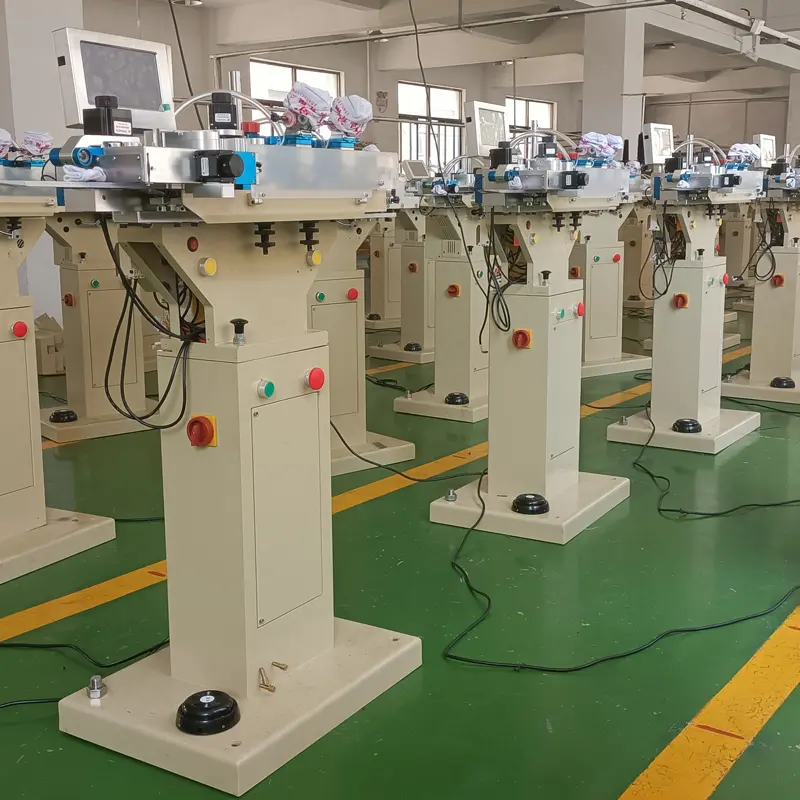
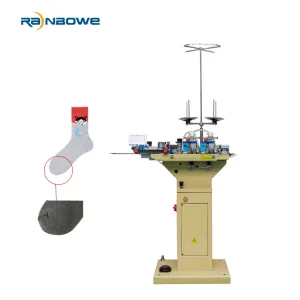
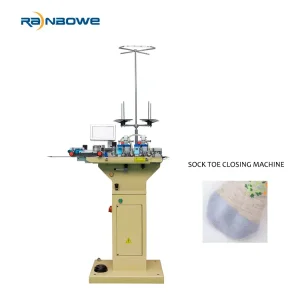
The finished socks from a sock knitting machine are not initially closed. A sock toe linking machine is essential to close the toe. We offer several models to meet different quality requirements:
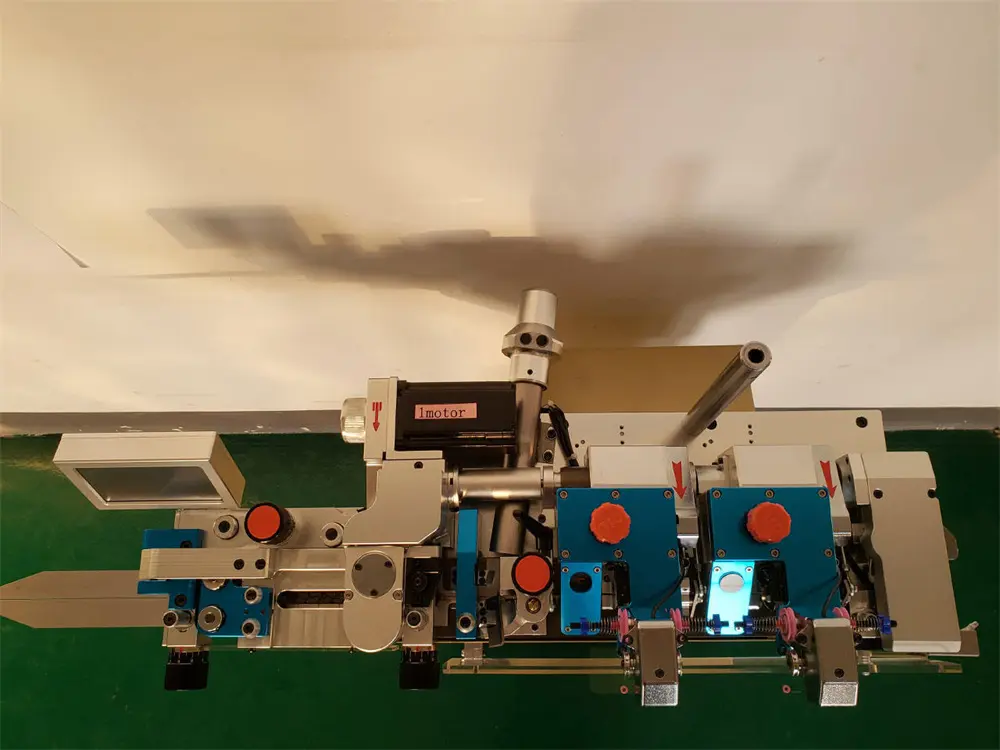
- 181 Model: One linking motor (Standard popular choice)
- 282 Model: Two linking motors
- 383 Model: Three linking motors
- 585/686 Models: Five or six linking motors for the highest linking effect.
Note: The more motors used, the better the final linking effect. Complementary machines like Tagging, Yarn Winding, and Grinding machines are also available.
Frequently Asked Questions (FAQ)
Q1: What is the hourly production capacity of this machine?
The machine can process approximately 800 pairs of socks per hour, ensuring high efficiency for industrial production.
Q2: How does the automatic lubricating system benefit the machine?
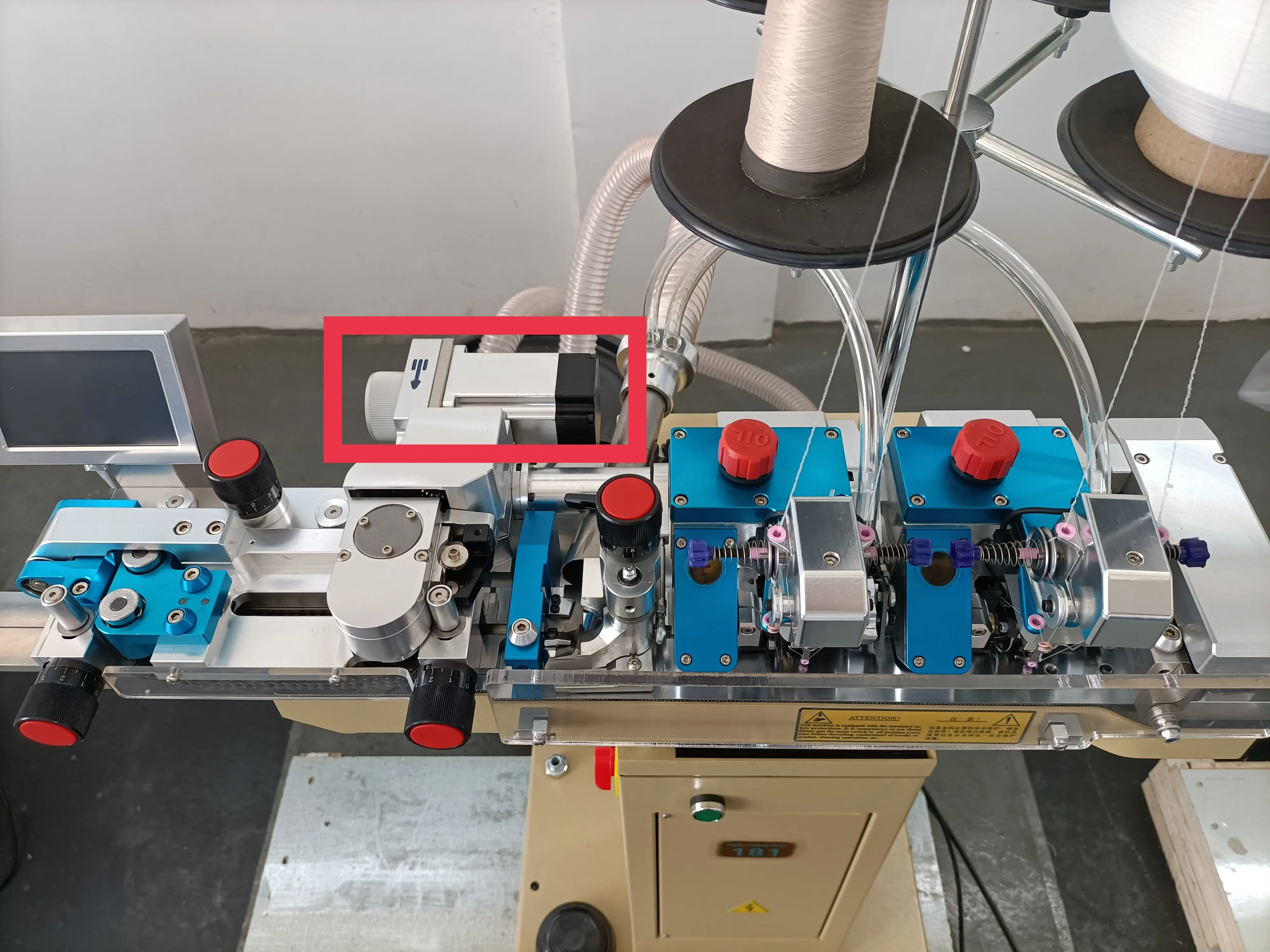
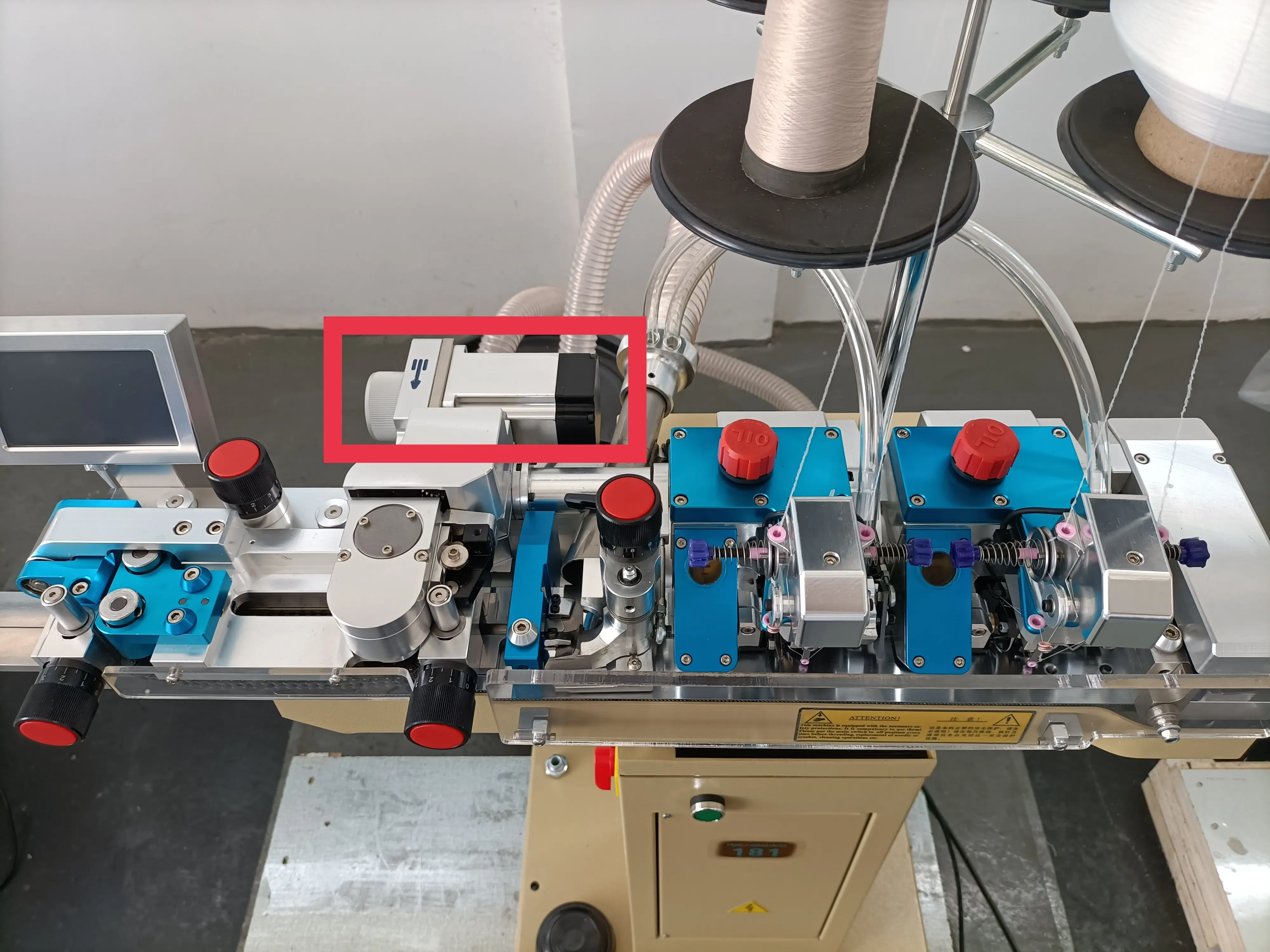
The automatic lubricating nose device reduces friction, which extends the machine's lifespan and maintains a low-noise working environment.
Q3: Are there different models available for different linking qualities?
Yes, we provide various models ranging from 1 to 6 linking motors. Models with more motors provide a smoother and higher-quality linking effect.
Q4: Can the sewing density be adjusted for different types of socks?
Yes, the machine features a renewal gear system that allows users to easily adjust the sewing density to meet specific requirements.
Q5: What are the power requirements for installation?
The machine operates on a 220V / 50HZ power supply with a total power consumption of 570W.
Q6: How does the machine reduce suture waste?
It utilizes an optical fiber inductive time lapse function that sets the yarn feeding delay according to the machine's running speed, significantly minimizing waste.
 Rainbowe